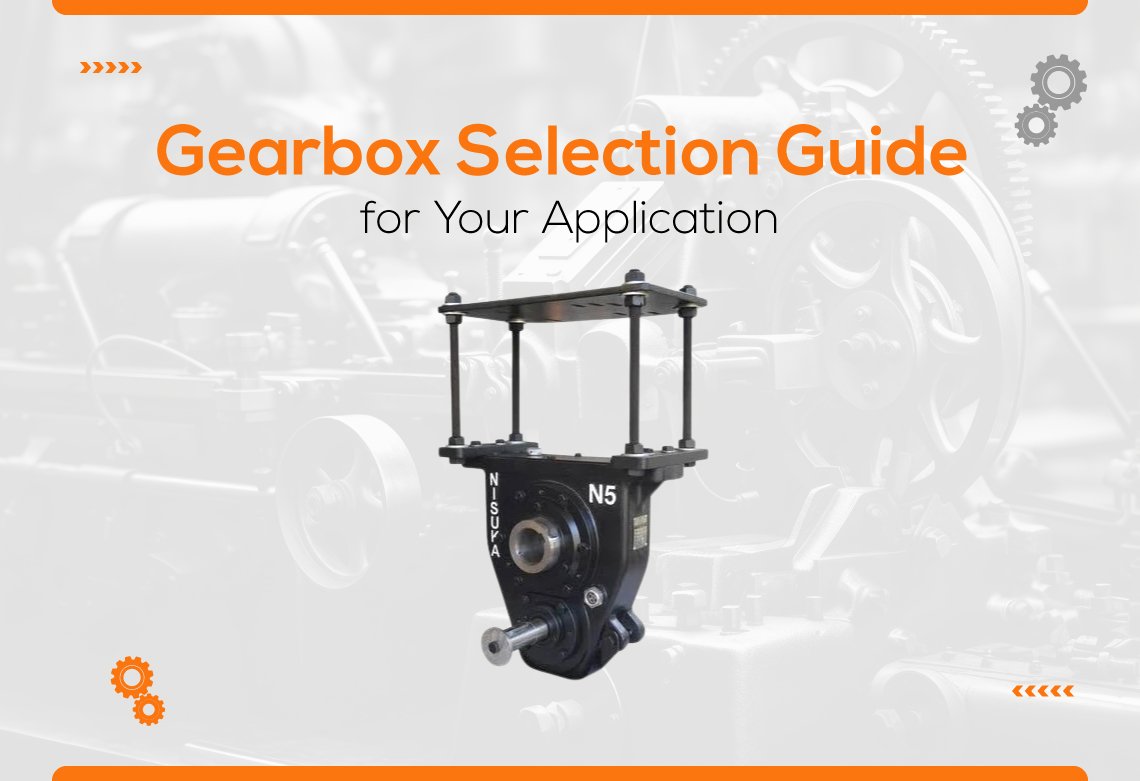
Gearbox Selection Guide for Your Application

Selecting the right gearbox is one of the most important decisions in any mechanical or industrial system. A gearbox directly affects machine performance, energy efficiency, maintenance cost, and overall equipment life. When the wrong gearbox is chosen, even a powerful motor can fail to deliver the required output, leading to frequent breakdowns, excessive wear, and unexpected downtime. That is why a clear and practical Gearbox Selection Guide for Your Application is essential for engineers, plant managers, and industrial buyers.

Every application has unique requirements based on load type, torque, speed, operating conditions, and duty cycle. Conveyor systems, crushers, mixers, packaging machines, and heavy-duty industrial equipment all demand different gearbox designs and specifications. Simply selecting a gearbox based on price or size is not enough. Proper gearbox selection requires understanding how power is transmitted, how service factors impact performance, and how environmental conditions influence long-term reliability.

This gearbox selection guide is designed to help you make informed decisions with confidence. It explains the key factors to consider, compares different gearbox types, and highlights common mistakes to avoid during selection. By following a structured approach, you can choose a gearbox that delivers optimal performance, reduces maintenance costs, and ensures long service life. Whether you are designing a new system or upgrading existing machinery—especially when evaluating What Are Conveyor System Components—this guide will help you select the right gearbox for your specific application

What Is a Gearbox
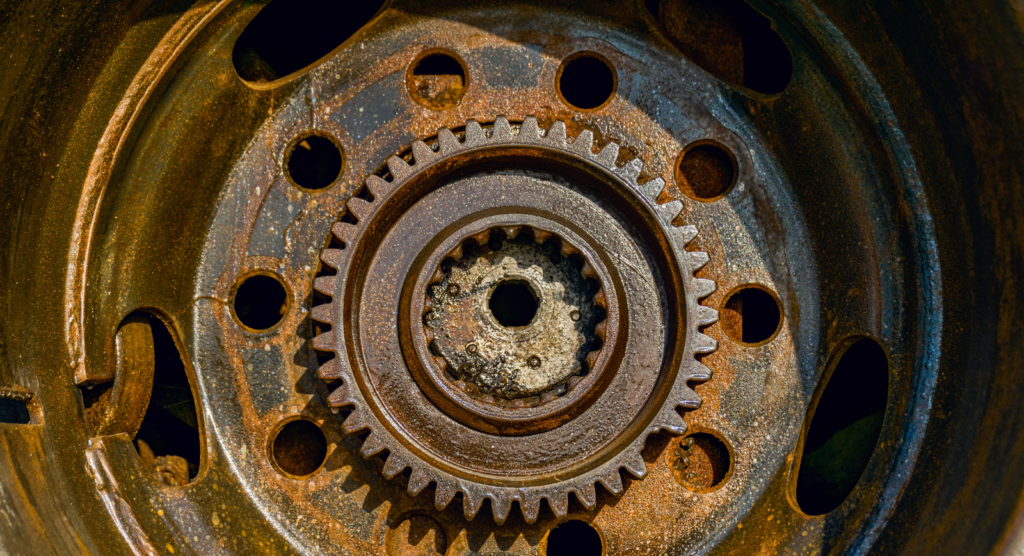
What Is a Gearbox

What Is a Gearbox is a common question for anyone working with industrial machinery or mechanical systems. A gearbox is a mechanical device that transmits power from a motor to a machine while controlling speed and torque. Its main role is to adjust the motor’s high-speed, low-torque output into a form that suits the actual working requirement of the equipment.

Gearboxes are essential in industries such as manufacturing, mining, material handling, cement, and automation because machines rarely operate efficiently at motor speed alone.

A gearbox contains multiple gears arranged in a specific design to deliver controlled motion. By selecting the correct gearbox, industries can ensure smooth operation, reduced energy loss, and longer equipment life. Understanding what a gearbox does and how it works is the foundation of making the right selection decision for any application.

Basic Working Principle of a Gearbox

The basic working principle of a gearbox is simple and reliable. It works by using meshing gears to change speed and torque between the input shaft and the output shaft. When power enters through the motor, the input gear transfers motion to other gears inside the gearbox housing.

  • Speed is reduced or increased based on the gear ratio
  • Torque is increased when speed is reduced
  • Power is transmitted smoothly to the driven machine

This controlled transfer of power allows machines to perform heavy-duty tasks safely. Gearboxes also help protect motors from overload by managing force distribution effectively.

Why Incorrect Gearbox Selection Causes Failure and Downtime

Incorrect gearbox selection is a major cause of machine failure and unplanned downtime. When a gearbox is not matched to load conditions, torque demand, or operating environment, it experiences excessive stress and wear.

Common problems caused by wrong selection include overheating, gear tooth damage, lubrication failure, vibration, and shaft misalignment. Over time, these issues lead to frequent maintenance, reduced efficiency, and complete gearbox breakdown. This is why understanding application requirements and the Key Factors to Choosing the Right Conveyor Gearbox or any industrial gearbox is critical for reliable and long-lasting machine performance.

Gearbox Selection Guide: Key Factors to Consider Before Choosing
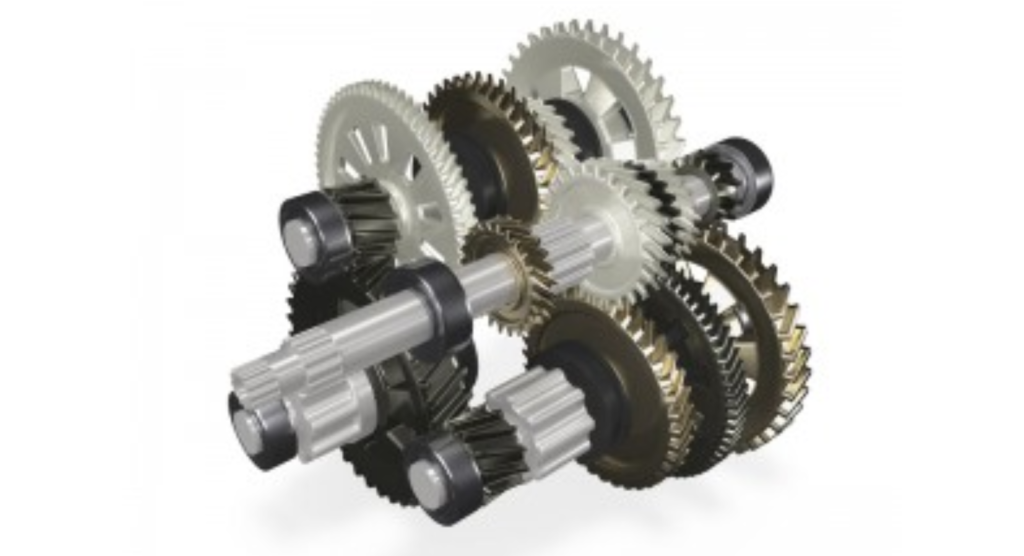
Gearbox Selection Guide: Key Factors to Consider Before Choosing

A practical Gearbox Selection Guide helps users choose the correct gearbox by matching technical requirements with real operating conditions. The right selection improves efficiency, reduces breakdowns, and extends equipment life.

Before choosing a gearbox, it is important to review load behavior, speed requirements, duty cycle, service factor, installation limits, and environmental exposure. Ignoring these factors often leads to overheating, gear damage, and frequent downtime. This Gearbox Selection Guide focuses on clear, application-based decision points so engineers, maintenance teams, and buyers can select a gearbox that delivers stable torque, smooth operation, and long-term reliability.

1. Load Type and Torque Requirements

Load type and torque demand are the most critical elements in any Gearbox Selection Guide. Different machines apply different forces, and the gearbox must be capable of handling both normal and peak loads.

Key points to consider:

  • Constant loads need steady torque capacity
  • Variable or shock loads require higher safety margins
  • Starting torque is often higher than running torque

If torque is underestimated, gear teeth may wear or fail early. Oversized gearboxes increase cost and reduce efficiency. Correct torque calculation ensures safe power transmission, reduced stress on components, and longer service life. Proper load analysis also supports smooth alignment with bearings and housings, similar to the precision expected from a reliable Plummer Block Manufacturer in rotating equipment systems.

2. Input Speed and Required Output Speed

Speed matching is a core step in a professional Gearbox Selection Guide. Motors usually operate at high speeds, while industrial machines require controlled, lower speeds with higher torque.

Important considerations include:

  • Motor input speed
  • Required machine output speed
  • Accurate gear ratio selection

The gearbox converts speed into usable torque by reducing or increasing rotation as needed. Incorrect speed selection can cause vibration, overheating, and unstable machine performance. When input and output speeds are properly matched, the gearbox runs efficiently, delivers consistent motion, and protects connected components from excessive stress.

3. Duty Cycle and Operating Hours

Duty cycle defines how often and how long a gearbox operates under load. A complete Gearbox Selection Guide evaluates daily working hours, load duration, and rest intervals.

Key factors include:

  • Continuous vs intermittent operation
  • Frequent start-stop cycles
  • Heat buildup during long shifts

Gearboxes running continuously require designs that handle higher thermal stress. Ignoring duty cycle can lead to lubrication breakdown and premature wear. Correct duty cycle evaluation ensures stable temperature control, reduced maintenance, and dependable long-term operation.

4. Service Factor and Shock Load Conditions

Service factor provides a safety margin to protect gearboxes from unexpected load changes. In a reliable Gearbox Selection Guide, service factor accounts for shock loads, impact forces, and overload conditions.

Key benefits of correct service factor:

  • Prevents gear tooth failure
  • Reduces risk of sudden breakdowns
  • Improves overall system reliability

Applications like conveyors, crushers, and mixers often face sudden load spikes. Selecting the right service factor allows the gearbox to absorb these stresses without damage, ensuring smoother operation and reduced downtime.

5. Installation Position and Space Constraints

Installation layout directly affects gearbox performance. A practical Gearbox Selection Guide considers mounting position, shaft orientation, and available space.

Important points:

  • Horizontal or vertical mounting compatibility
  • Proper lubrication flow in selected position
  • Ease of maintenance access

Incorrect installation can cause uneven wear and overheating. Selecting a gearbox that fits the available space and mounting orientation ensures correct alignment, stable operation, and longer equipment life.

6. Environmental Conditions (Dust, Heat, Moisture)

Operating environment has a direct impact on gearbox durability. A complete Gearbox Selection Guide evaluates exposure to dust, heat, moisture, and corrosive conditions.

Environmental considerations include:

  • Sealed housings for dusty areas
  • Heat-resistant lubrication for high temperatures
  • Corrosion protection in humid conditions

Ignoring environmental factors leads to faster wear and frequent maintenance. Choosing a gearbox designed for its surroundings ensures consistent performance, reduced failures, and extended service life in demanding industrial environments.

How to Choose the Right Gearbox for Your Application
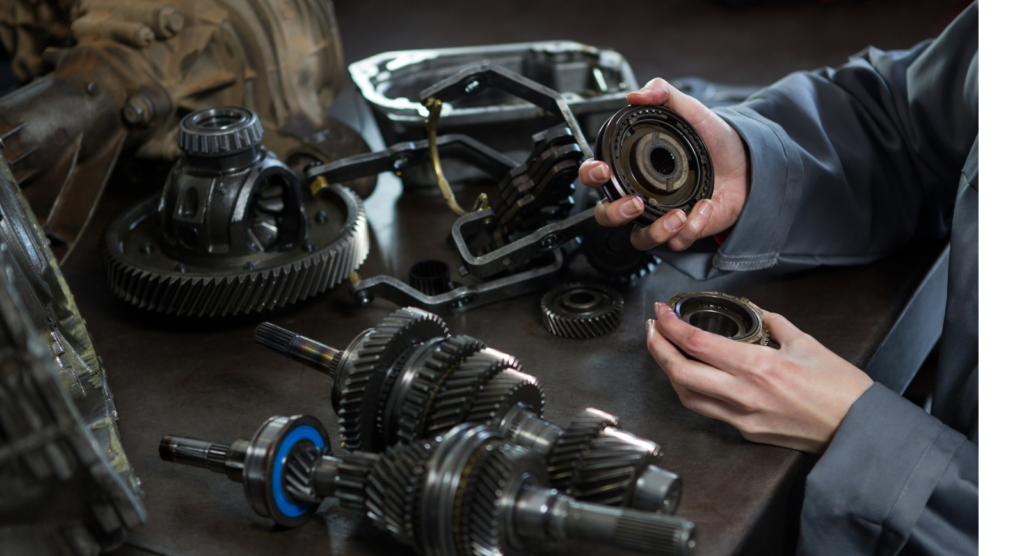
How to Choose the Right Gearbox for Your Application

Understanding How to Choose the Right Gearbox is essential for achieving reliable machine performance, energy efficiency, and long service life. Every industrial application operates under different load conditions, speed requirements, and working environments, so a single gearbox type cannot fit all needs. Choosing the right gearbox involves matching torque, speed, duty cycle, and application demands rather than selecting based only on size or cost.

When gearbox selection is done correctly, it reduces breakdowns, minimizes maintenance, and ensures smooth power transmission. This guide explains how to choose the right gearbox based on real industrial applications so engineers, plant managers, and buyers can make confident, performance-driven decisions.

1. Gearbox Selection Based on Industrial Application

The first step in learning How to Choose the Right Gearbox is understanding the specific industrial application. Different industries such as cement, mining, food processing, steel, and material handling have unique operating requirements. Some applications need high torque at low speed, while others require precise speed control with moderate loads. Factors like continuous operation, shock loads, and environmental exposure must be evaluated before selection.

Gearboxes used in harsh environments must be robust, sealed, and capable of handling overload conditions. Application-based selection ensures the gearbox delivers consistent output, avoids unnecessary stress, and performs reliably throughout its service life.

2. Gearbox Selection for Conveyor

Conveyor systems require smooth and stable motion to transport materials efficiently. When deciding how to choose the right gearbox for conveyors, load type and starting torque are critical factors. Conveyors often operate continuously and may experience sudden load changes due to material accumulation.

Key considerations include:

  • High torque capacity for starting loads
  • Stable speed control for smooth material flow
  • Compatibility with auxiliary equipment such as drives and separators

Proper gearbox selection reduces belt slippage, vibration, and wear. In material handling systems, gearbox performance works closely with components supplied by a reliable Suspension Magnet Manufacturer, ensuring uninterrupted operation and protection from metal contamination.

3. Gearbox Selection for Crushers, Mixers, and Heavy Machinery

Heavy machinery such as crushers and mixers operates under extreme load and shock conditions. Understanding how to choose the right gearbox for these applications requires careful attention to service factor and overload capacity. These machines generate high impact forces that can damage gears if the gearbox is under-rated.

A gearbox designed for heavy-duty use must absorb shock loads, resist overheating, and maintain torque consistency. Selecting the right gearbox for such equipment ensures durability, reduces unexpected failures, and supports continuous production even under demanding operating conditions.

4. Gearbox Selection for Packaging and Automation Equipment

Packaging and automation equipment require precision, speed control, and compact design. When learning how to choose the right gearbox for these systems, accuracy and efficiency are more important than extreme torque. These applications often involve frequent start-stop cycles and synchronized movements. The gearbox must deliver smooth acceleration, low noise, and consistent output speed.

Compact gearboxes with high efficiency help improve productivity while maintaining precision. Correct selection ensures reliable automation, reduced maintenance, and improved overall equipment performance.

Conclusion

A well-planned Gearbox Selection Guide for Your Application is essential for achieving consistent performance, lower maintenance costs, and long equipment life. Every industrial setup has unique operating conditions, and choosing a gearbox without evaluating load type, torque demand, speed ratio, duty cycle, and environment often leads to early failure and downtime. A structured selection approach helps ensure the gearbox works efficiently with the motor and driven equipment, delivering smooth power transmission and operational stability.

For material handling industries, Gearbox Selection for Conveyor systems deserves special attention because conveyors usually operate continuously and face variable loads. Correct gearbox selection improves starting performance, prevents overheating, and supports uninterrupted material flow. Ignoring conveyor-specific requirements can result in frequent breakdowns and production losses.

In addition, working with a reliable SMSR Gearbox manufacturer adds technical confidence, as application-specific design, proper service factor selection, and quality manufacturing directly impact long-term reliability. By following a clear selection guide and focusing on real application needs, businesses can ensure efficient operations, reduced risk, and dependable gearbox performance across all industrial applications.

FAQS

To select the right gearbox, evaluate load type, required torque, input speed, output speed, duty cycle, and operating environment. A proper gearbox selection guide helps match these factors with the correct gearbox type, ensuring smooth operation, reduced wear, and long service life.

The most important factors include torque requirement, speed ratio, load condition, duty cycle, service factor, mounting position, and environmental conditions. Ignoring any of these can lead to overheating, gear damage, and frequent breakdowns. Proper evaluation ensures reliable and efficient gearbox performance.

Torque calculation is critical because it defines how much load the gearbox must handle. Incorrect torque estimation can cause gear tooth failure or motor overload. Accurate torque calculation ensures the gearbox can handle starting loads, peak loads, and continuous operation safely.

Duty cycle determines how long and how frequently a gearbox operates under load. Continuous-duty applications require gearboxes designed for higher thermal capacity. Ignoring duty cycle can cause overheating, lubricant breakdown, and reduced gearbox life, leading to increased maintenance and downtime.

For conveyor systems, gearboxes with high torque capacity, stable speed control, and suitable service factor are preferred. Helical and SMSR-type gearboxes are commonly used. Proper gearbox selection for conveyors ensures smooth material flow, reliable starting performance, and continuous operation.

Selecting the wrong gearbox can result in excessive vibration, overheating, gear wear, noise, and sudden failure. This leads to frequent maintenance, production loss, and higher operating costs. Following a gearbox selection guide helps avoid these issues and ensures long-term reliability.

Operating conditions such as dust, moisture, heat, and corrosion directly affect gearbox durability. Harsh environments require sealed housings, proper lubrication, and heat-resistant materials. Selecting a gearbox designed for the environment reduces failures, improves efficiency, and extends service life.
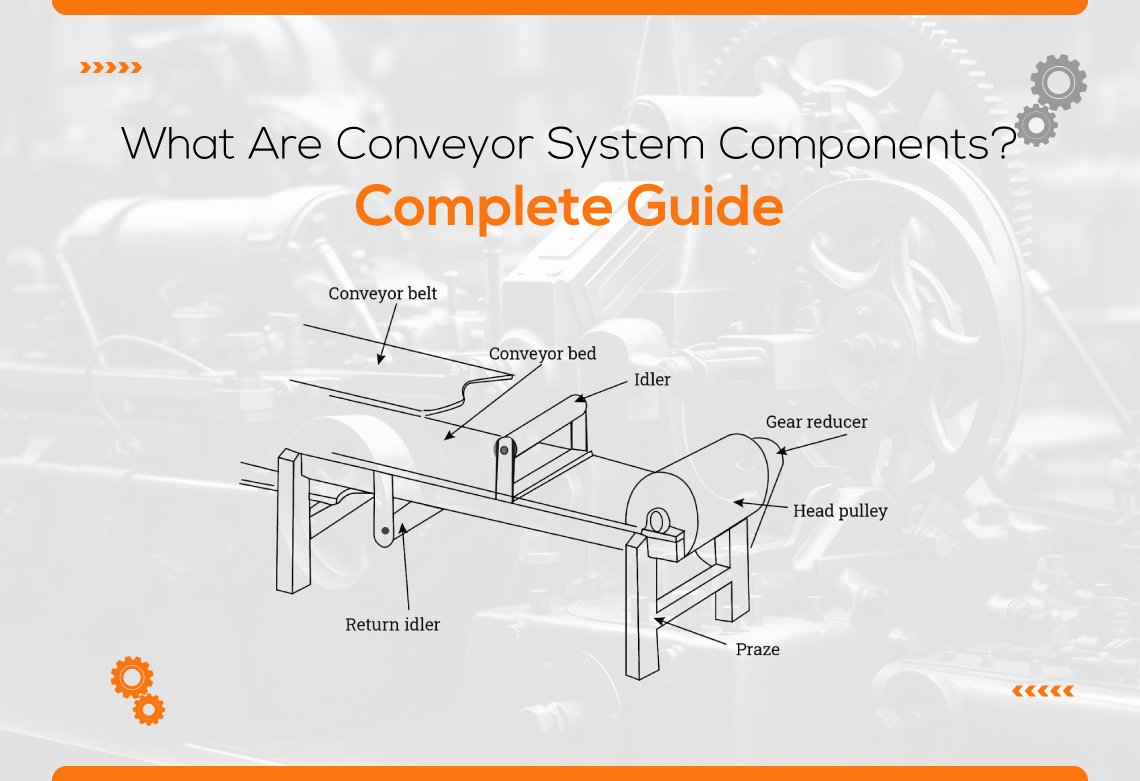
What Are Conveyor System Components? Complete Guide

In modern manufacturing and material handling environments, conveyor system components play a crucial role in ensuring smooth, efficient, and uninterrupted movement of materials. From small production units to large-scale industrial plants, conveyor systems are the backbone of operations where speed, accuracy, and reliability matter. However, the performance of a conveyor system depends not just on the belt or structure, but on the quality and coordination of each individual component working together.

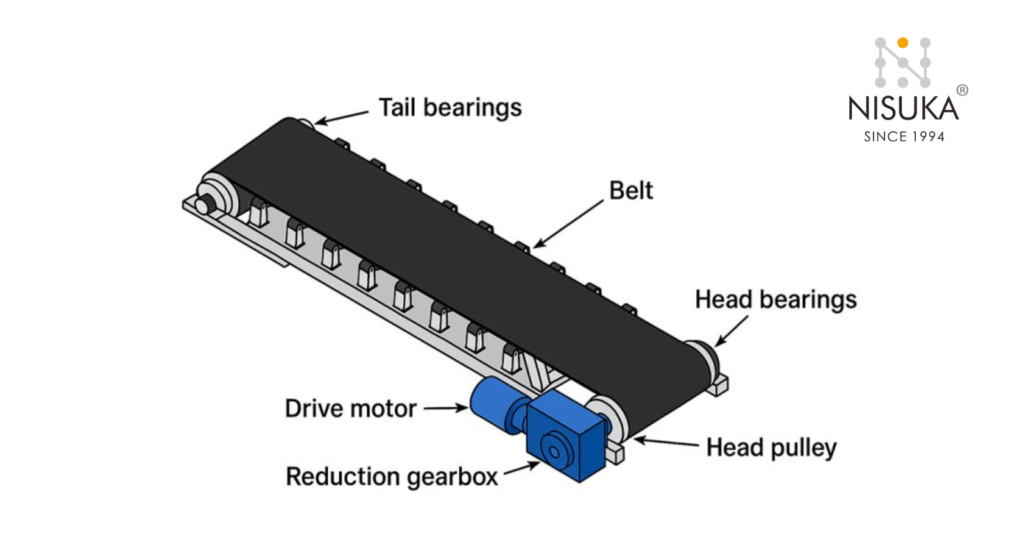
Conveyor system components include essential parts such as conveyor belts, rollers, idlers, gearboxes, drive units, pulleys, bearings, and support frames. Each component has a specific function—whether it is transmitting power, supporting loads, controlling speed, or maintaining alignment. When selected and maintained correctly, these components help industries reduce downtime, improve productivity, and ensure safe material flow across processes.

Understanding what conveyor system components are, how they function, and where they are used is important for plant managers, engineers, and procurement teams making equipment decisions. Different industries such as cement, mining, steel, power, and manufacturing rely on conveyor components designed for heavy loads, harsh environments, and continuous operation.

In this guide, we will explain the types of conveyor system components, their functions, and their industrial applications, helping you make informed choices for efficient and long-lasting conveyor performance.

What Are Conveyor System Components?

What Are Conveyor System Components?

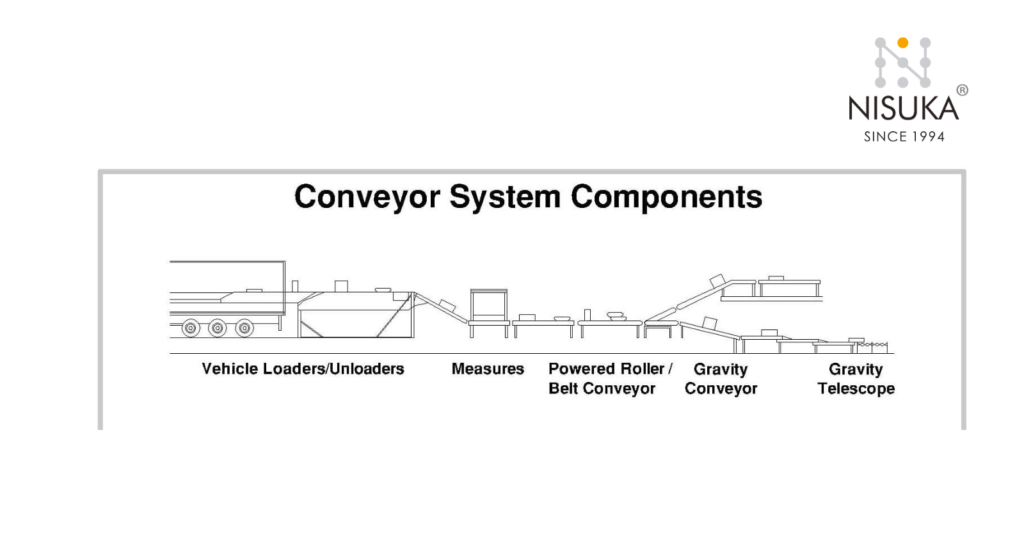
Conveyor System Components are the essential mechanical and structural parts that work together to move materials smoothly from one point to another within an industrial setup. These components form the backbone of any conveyor system and ensure controlled, continuous, and safe material flow.

Common conveyor system components include conveyor belts, rollers, idlers, gearboxes, motors, pulleys, bearings, frames, and tensioning devices. Each part has a specific role, such as supporting the load, transmitting power, maintaining belt alignment, or controlling speed.

In industrial environments like manufacturing plants, warehouses, cement units, and mining operations, conveyor system components are designed to handle different load capacities, speeds, and operating conditions. The overall performance of a conveyor system depends on how well these components are selected, installed, and maintained. High-quality conveyor system components improve efficiency, reduce breakdowns, and ensure long-term operational reliability.

Why Conveyor System Components Are Important in Material Handling

Conveyor System Components are critical in material handling because they directly impact productivity, safety, and operating costs. A well-designed conveyor system ensures smooth movement of materials with minimal manual effort and reduced risk of errors.

Key reasons why conveyor system components matter:

  • They ensure consistent material flow without interruptions
  • They reduce manual handling and labor costs
  • They improve workplace safety and operational control
  • They help prevent belt slippage and misalignment when supported by reliable solutions from a Conveyor Belt Tensioner Manufacturer
  • They extend equipment life by minimizing wear and mechanical stress

When conveyor system components are properly engineered and maintained, industries can achieve higher efficiency, lower downtime, and more predictable production output, making them an essential part of modern material handling systems.

1. Main Components of a Conveyor System

Main Components of a Conveyor System

The Conveyor System Components work together to move materials safely, smoothly, and efficiently across industrial operations.

Each component has a defined role, from carrying the load to transmitting power and maintaining alignment. When these components are selected correctly and maintained well, a conveyor system delivers consistent performance, reduced downtime, and long service life in demanding environments.

2. Conveyor Belt – Purpose, Types & Materials

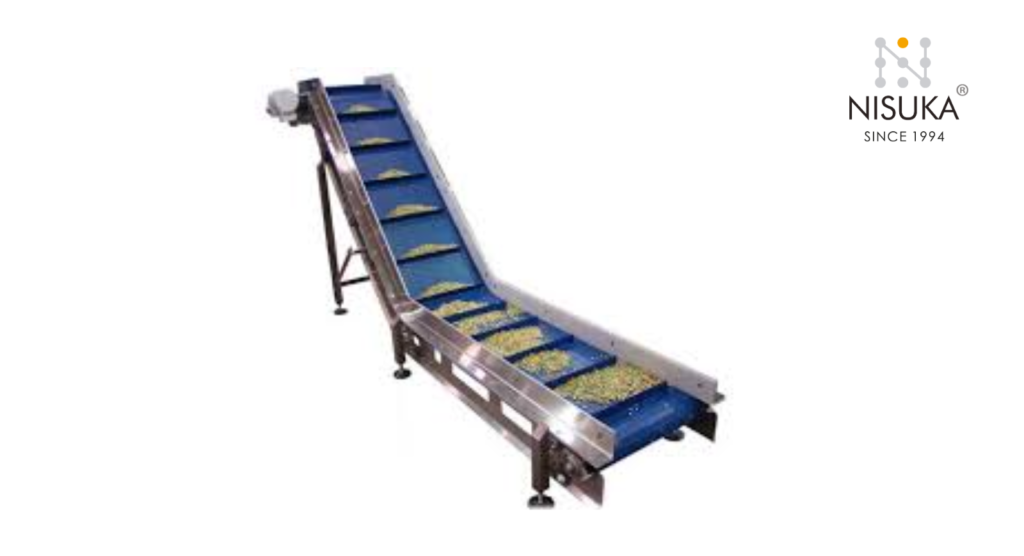
The conveyor belt is the primary load-carrying element among Conveyor System Components. Its main purpose is to transport materials from one point to another with minimal spillage and controlled movement. Conveyor belts are selected based on load type, speed, and working conditions.

Common considerations include:

  • Purpose-built belts for bulk, packaged, or abrasive materials
  • Selection based on Types of Conveyor Belt Systems such as flat, troughed, or inclined setups
  • Materials like rubber, PVC, fabric, steel cord, or heat-resistant compounds

A properly chosen belt improves efficiency and reduces wear on other conveyor system components.

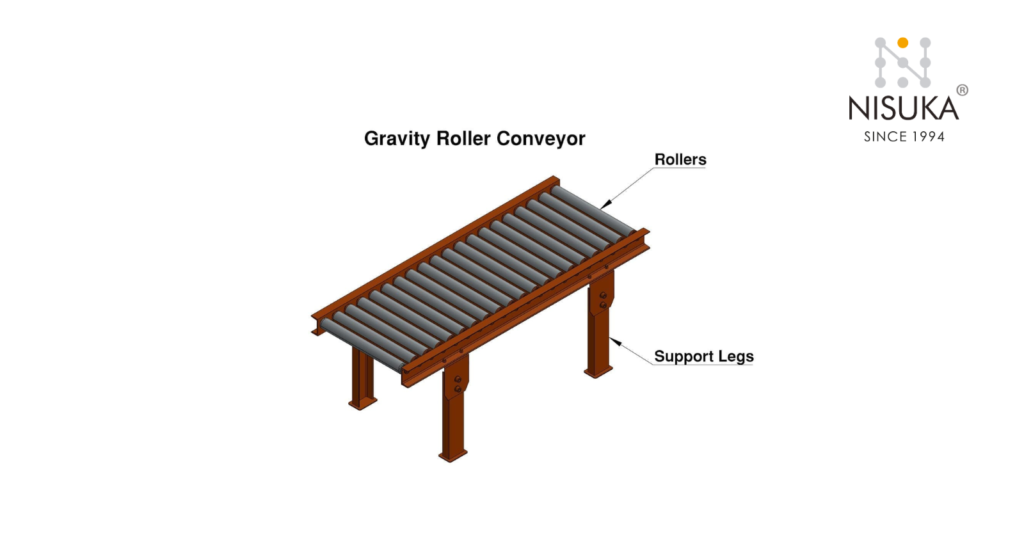
3. Conveyor Rollers and Idlers

Conveyor rollers and idlers support the belt and the material being carried. They help reduce friction and guide the belt along its path. As critical Conveyor System Components, rollers ensure smooth rotation and proper belt tracking.

They are designed to:

  • Support heavy loads without bending
  • Maintain belt alignment
  • Reduce energy consumption by minimizing resistance

High-quality rollers and idlers directly improve conveyor reliability and operating efficiency.

4. Conveyor Gearbox and Drive Unit

The gearbox and drive unit provide the power needed to move the conveyor belt. These Conveyor System Components control speed, torque, and direction of motion, making them vital for safe and efficient operation.

Their key functions include:

  • Transmitting power from the motor to the conveyor
  • Controlling speed based on load conditions
  • Handling continuous or heavy-duty operations

A reliable drive system ensures smooth start-up and stable material flow.

5. Pulleys, Shafts and Bearings

Pulleys, shafts, and bearings are mechanical Conveyor System Components that support rotation and power transmission. Pulleys guide and tension the belt, shafts transfer rotational force, and bearings reduce friction.

Together, they:

  • Maintain belt tension and alignment
  • Support rotating parts under load
  • Prevent excessive wear and vibration

Proper design and maintenance of these parts increase conveyor lifespan.

6. Conveyor Frame and Support Structure

The frame and support structure hold all Conveyor System Components in place. They provide strength, stability, and alignment to the entire system.

A well-designed structure:

  • Supports static and dynamic loads
  • Maintains correct component positioning
  • Withstands industrial environments like dust, heat, and vibration

Strong support structures ensure safe operation and long-term conveyor performance.

Types of Conveyor System Components

The Types of Conveyor System Components vary based on how and where a conveyor system is used. Different industries require different designs, load capacities, and material strengths. Selecting the right components according to application helps improve efficiency, safety, and equipment life.

Conveyor systems used in packaging units, manufacturing plants, or heavy industries all rely on application-specific components to deliver consistent performance.

Types of Conveyor System Components

1. Light-Duty Conveyor Components

Light-duty Types of Conveyor System Components are designed for low to moderate loads and smooth operating conditions. These components are commonly used in warehouses, assembly lines, food processing units, and packaging industries where material weight is limited.

They typically include:

  • Lightweight conveyor belts made from PVC or fabric
  • Small-diameter rollers and idlers
  • Compact drive units with lower power ratings
  • Simple support frames for short conveyor lengths

Light-duty components help achieve efficient material movement with lower energy consumption and minimal maintenance.

2. Heavy-Duty Conveyor Components

Heavy-duty Types of Conveyor System Components are built to handle high loads, continuous operation, and tough working conditions. These components are widely used in cement plants, mining operations, steel industries, and power plants.

Key characteristics include:

  • High-strength conveyor belts for bulk material handling
  • Large rollers and reinforced idlers
  • Powerful gearboxes and drive systems
  • Heavy conveyor drum pulleys sourced from trusted Conveyor Drum Pulley manufacturer
  • Strong steel frames and support structures

These components ensure reliable performance under heavy stress and reduce the risk of breakdowns.

Industrial Applications of Conveyor System Components

Applications of Conveyor System Components

The Applications of Conveyor System Components are widespread across industries where continuous, safe, and efficient material movement is required. These components help industries reduce manual handling, improve productivity, and maintain smooth workflow across operations.

Depending on the industry, conveyor system components are designed to handle bulk materials, heavy loads, or fast-moving packaged goods. Proper selection ensures reliability, lower downtime, and long-term operational efficiency

1. Cement, Mining and Quarry Industries

In cement plants, mining sites, and quarries, the Applications of Conveyor System Components focus on handling heavy, abrasive, and high-volume materials. Conveyor systems are used to transport raw materials like limestone, coal, clinker, and aggregates over long distances.

These industries rely on:

  • Heavy-duty conveyor belts for bulk material movement
  • Strong rollers, idlers, and pulleys to support high loads
  • Reliable drive systems supplied by an experienced conveyor gearbox manufacturer
  • Components designed to withstand dust, impact, and continuous operation

Well-designed conveyor components help minimize breakdowns and ensure uninterrupted production in harsh environments.

2. Steel, Power and Heavy Manufacturing Plants

The Applications of Conveyor System Components in steel, power, and heavy manufacturing plants involve moving hot materials, metal parts, ash, and finished goods. Conveyor systems play a critical role in maintaining production flow and workplace safety.

Key uses include:

  • Transporting raw materials and finished products
  • Handling heavy and high-temperature materials
  • Supporting automated production lines

Durable conveyor system components ensure stable operation, high load capacity, and consistent performance in demanding industrial conditions.

3. Warehousing and Logistics Operations

In warehouses and logistics centers, the Applications of Conveyor System Components are focused on speed, accuracy, and efficiency. Conveyor systems help move packages, cartons, and goods quickly across sorting, packing, and dispatch areas.

These operations depend on:

  • Light to medium-duty conveyor components
  • Smooth rollers and belts for fast material flow
  • Compact and energy-efficient drive systems

By using the right conveyor system components, logistics operations can improve order accuracy, reduce labor effort, and handle high volumes efficiently.

Common Problems in Conveyor System Components

Common Problems in Conveyor System Components

Common Problems in Conveyor System Components can reduce productivity, increase downtime, and raise maintenance costs if they are not identified early. Conveyor systems operate continuously under load, which makes their components vulnerable to mechanical stress, environmental factors, and improper usage.

Issues such as wear, misalignment, and drive failures are among the most frequent problems faced by industries using conveyor systems. Understanding these problems helps plant operators take preventive action and maintain smooth material flow.

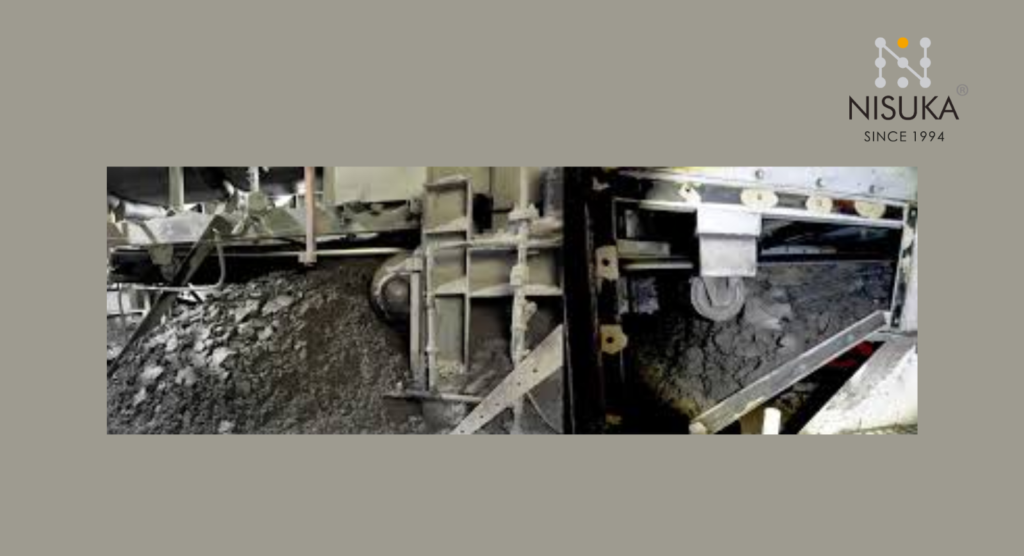
1. Wear and Tear of Conveyor Parts

Wear and tear is one of the most frequent Common Problems in Conveyor System Components, especially in systems handling heavy or abrasive materials. Continuous movement, load impact, and friction gradually reduce the strength of belts, rollers, pulleys, and bearings.

Common causes include:

  • Handling abrasive or sharp materials
  • Continuous operation without proper maintenance
  • Poor-quality or mismatched components

Regular inspection and timely replacement of worn parts can prevent sudden breakdowns and extend equipment life.

2. Misalignment and Vibration Issues

Misalignment and vibration are serious Common Problems in Conveyor System Components that can damage multiple parts at the same time. When belts, rollers, or pulleys are not aligned properly, they create uneven stress and excessive vibration.

These issues often lead to:

  • Belt tracking problems and spillage
  • Increased noise during operation
  • Faster wear of bearings and rollers

Proper installation, regular alignment checks, and balancing of rotating parts help control vibration and ensure stable conveyor performance.

3. Gearbox and Roller Failures

Gearbox and roller failures are critical Common Problems in Conveyor System Components because they directly affect conveyor movement. Gearbox issues may occur due to overloading, poor lubrication, or incorrect selection for the application.

Common reasons include:

  • Excessive load beyond design limits
  • Inadequate lubrication or maintenance
  • Use of unsuitable gearboxes for heavy applications

Industries handling extreme loads often rely on expertise from Stone Crusher Gearbox Manufacturer to ensure the gearbox can withstand harsh working conditions. Using the right gearbox and maintaining rollers properly helps prevent unexpected stoppages and costly repairs

Conclusion

Understanding conveyor system components is essential for achieving smooth, safe, and efficient material handling in any industrial setup. From belts and rollers to gearboxes and support structures, each component plays a critical role in maintaining performance and minimizing downtime. When these components are selected based on application, load conditions, and working environment, industries can improve productivity, reduce maintenance costs, and extend equipment life.

Regular inspection, proper alignment, and timely maintenance help prevent common problems such as wear, vibration, and mechanical failure. Using high-quality components from reliable suppliers, including an experienced SMSR Gearbox manufacturer, ensures stable power transmission and consistent conveyor operation even in demanding conditions.

Overall, investing in the right conveyor system components and maintaining them correctly leads to better operational efficiency, improved safety, and long-term cost savings for industries across cement, mining, manufacturing, and logistics sectors.

FAQS

The main components of a conveyor system include the conveyor belt, rollers, idlers, gearbox, motor, pulleys, bearings, shafts, and support frame. All these conveyor system components work together to move materials smoothly, safely, and efficiently across industrial operations.

Conveyor system components are important because they ensure continuous material flow, reduce manual handling, improve safety, and increase productivity. Properly designed components help industries minimize downtime, control operating costs, and maintain consistent performance in manufacturing, mining, and logistics environments.

Heavy industries use reinforced conveyor belts, heavy-duty rollers, strong pulleys, robust gearboxes, and steel support structures. These conveyor system components are designed to handle high loads, abrasive materials, and continuous operation in cement plants, mining sites, and steel manufacturing units.

Conveyor system components directly impact efficiency by controlling speed, alignment, load support, and power transmission. High-quality components reduce friction, prevent material spillage, and ensure smooth operation, resulting in lower energy consumption, fewer breakdowns, and improved overall conveyor system performance.

Failures in conveyor system components are usually caused by overloading, poor maintenance, misalignment, improper lubrication, and use of low-quality parts. Environmental factors like dust, heat, and moisture also contribute to faster wear and mechanical breakdowns if not managed properly.

Conveyor system components should be inspected regularly, with basic checks done weekly and detailed maintenance scheduled monthly or quarterly. Proper maintenance helps detect wear, alignment issues, and lubrication problems early, preventing sudden failures and extending the life of the conveyor system.

Components like conveyor belts, rollers, idlers, bearings, and seals usually require more frequent replacement due to continuous movement and load stress. Regular monitoring of these conveyor system components helps avoid unexpected downtime and maintains smooth material handling operations.

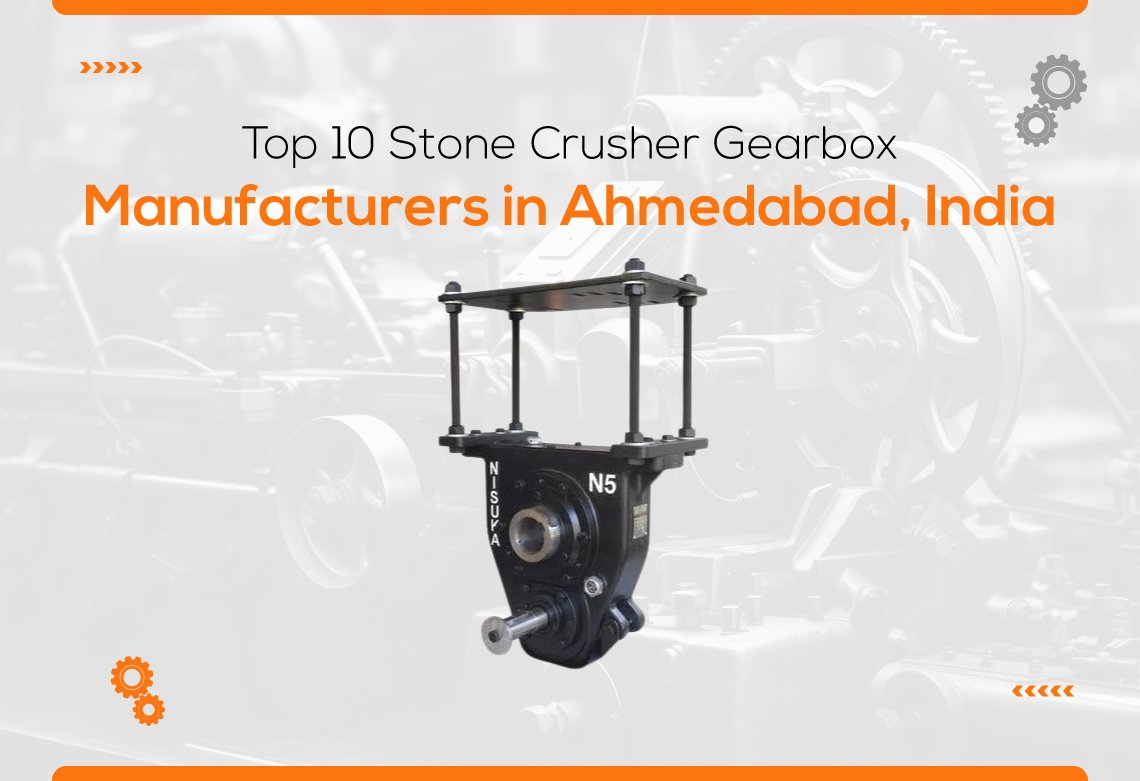
Top 10 Stone Crusher Gearbox Manufacturers in Ahmedabad, India

Stone crusher gearboxes play a crucial role in the performance and durability of stone crushing plants, conveyor systems, quarry machines, and mining operations. These heavy-duty gear reducers are designed to control motor speed, increase torque, and deliver a stable crushing output under continuous load. Ahmedabad, Gujarat has emerged as one of India’s most trusted hubs for manufacturing industrial gearboxes, thanks to its strong engineering talent, advanced fabrication ecosystem, and competitive product pricing.

With rising demand for stone crushers and conveyor systems across mining, cement, infrastructure, and aggregate sectors, choosing the right gearbox manufacturer has become more important than ever. A reliable gearbox not only improves crushing efficiency but also reduces downtime, vibration, heat, and maintenance cost.

This blog lists the Top 10 Stone Crusher Gearbox Manufacturers in Ahmedabad, India, starting with leading OEMs (Original Equipment Manufacturer) such as Nisuka Industries Pvt. Ltd., followed by other established industrial gearbox suppliers. Each manufacturer has been selected based on product quality, design expertise, industry reputation, customization capability, and after-sales support.

If you are planning to purchase a new stone crusher gearbox or upgrade your existing crusher plant, this guide will help you compare manufacturers, understand features, and make the right buying decision with confidence.

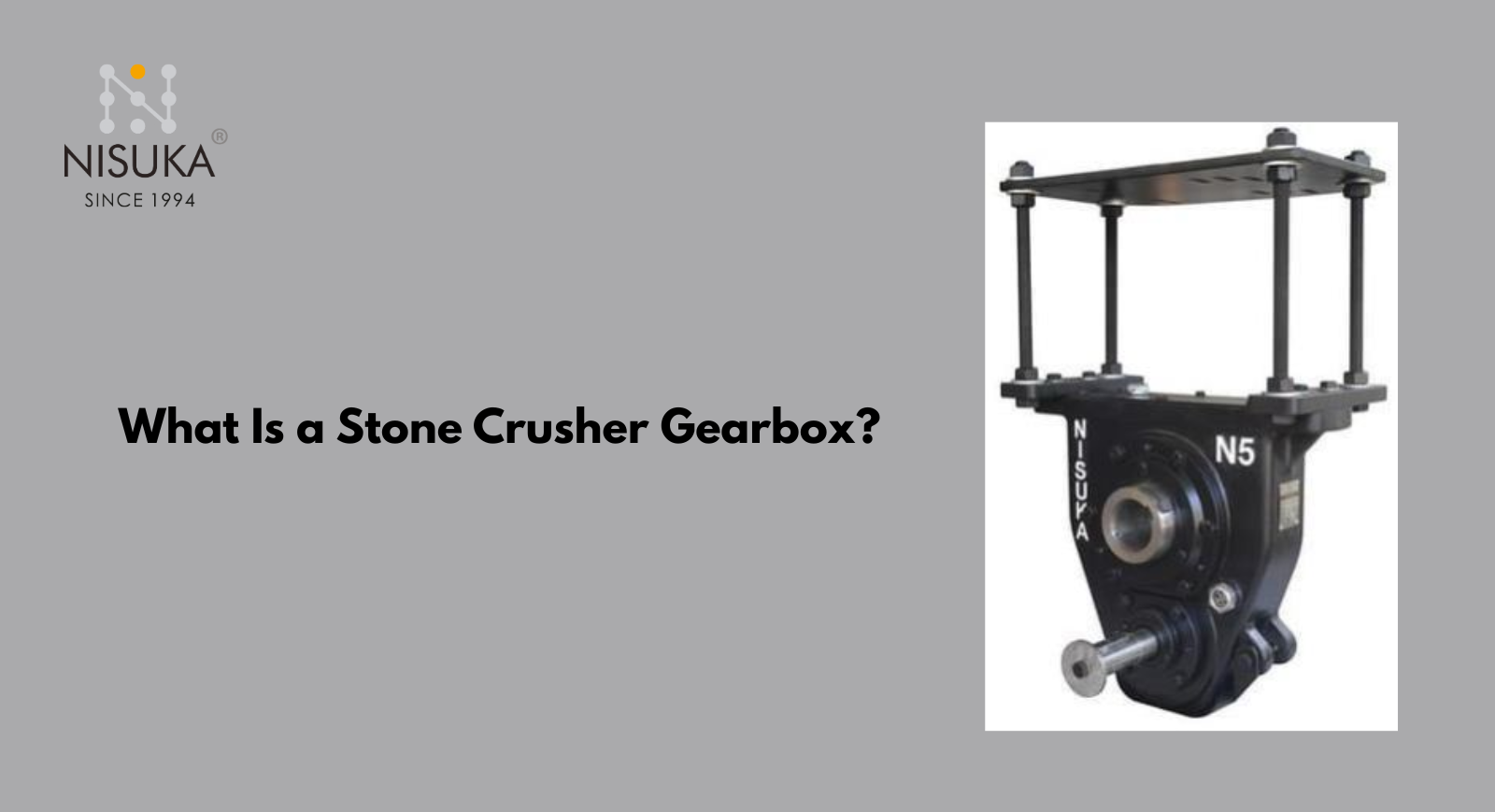
What Is a Stone Crusher Gearbox?

What Is a Stone Crusher Gearbox?

A stone crusher gearbox is a heavy-duty power reducer used in stone crushing machines and conveyor systems. When someone asks What Is a Stone Crusher Gearbox?, the answer is that it controls motor speed and increases torque to make the crushing process smooth and safe. A standard electric motor runs at high RPM, but a stone crusher requires slow and powerful motion to break large stones into smaller pieces. The gearbox manages this conversion and ensures high performance under tough working conditions.

Understanding What Is a Stone Crusher Gearbox? also means knowing why it is important in mining and aggregate plants. Without a proper gearbox, the crusher would run at unsafe speed, create vibration, consume high energy, and reduce machine life. A stone crusher gearbox delivers strong output power, handles shock loads, and supports continuous operation in dusty quarry environments.

A high-quality gearbox in stone crusher plants helps:

  • Reduce motor speed and improve crushing torque
  • Maintain stable machine performance
  • Reduce heat, vibration, and mechanical breakdown
  • Lower maintenance cost and downtime

What Is a Stone Crusher Gearbox? is also connected to internal components like shafts, gears, seals, bearings, and lubrication systems. These parts ensure continuous working, smooth speed reduction, and strong power delivery. Proper alignment, lubrication, and preventive maintenance improve gearbox life and protect the crusher during overload conditions.

Many industrial buyers consider gearbox performance while purchasing equipment from a conveyor supplier or Suspension Magnet manufacturer, because a reliable gearbox directly affects plant efficiency.

In simple terms, a stone crusher gearbox is the core element that keeps the crushing machine running safely, efficiently, and economically under heavy load conditions.

Here are Top 10 Stone Crusher Gearbox Manufacturers in Ahmedabad, India

1. Nisuka Industries Pvt. Ltd.

Stone Crusher Gearbox Manufacturers in Ahmedabad

Nisuka Industries Pvt. Ltd. is a trusted Stone Crusher Gearbox manufacturer in Ahmedabad that supplies durable gearboxes for crushers, conveyors, feeders, and quarry belts. The company designs strong shaft-mounted speed reducers that deliver stable torque, controlled speed, and safe power transfer during heavy crushing operations. Their gearboxes are widely used in sand plants, mining conveyors, stone units, and industrial quarries. Many buyers prefer Nisuka because it is also an experienced SMSR Gearbox manufacturer, providing strong engineering quality and reliable after-sales support.

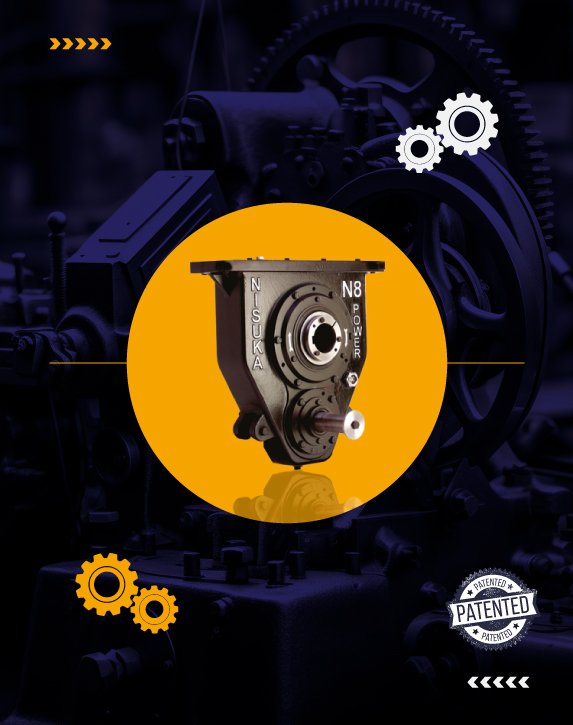
Nisuka gearboxes are designed for long working hours, low vibration, and controlled machine speed. The company focuses on sealed lubrication systems, durable housing, and shock load handling for smooth machine operation. Their patented design helps crushers run continuously without overheating and reduces mechanical stress.

Why Nisuka is preferred

  • Heavy-duty gearbox for crushers, feeders, and conveyors
  • Better torque and slow-speed crushing for uniform production
  • Dust-proof sealing and strong lubrication control
  • Fast delivery and custom gear ratio selection
  • AMC support, spare availability, and quality assurance

As a Stone Crusher Gearbox manufacturer, Nisuka Industries has gained strong reputation across granite plants, cement factories, mineral units, and sand production lines. Their gear reducers help reduce downtime, improve workplace safety, and increase long-term productivity. Many industrial buyers select Nisuka due to its engineering transparency, technical guidance, and quick on-site support.

Whether it is crusher gear systems, conveyor reducers, or feeder drives, Nisuka provides long-term value, low maintenance, and reliable power transmission. Their high-quality gearboxes help stone crushing plants achieve stable production, smooth belt movement, and better machine life under tough working conditions.

2. Unnati Engineering Co.

Unnati Engineering Co. is a Stone Crusher Gearbox manufacturer known for heavy-duty gear reducers used in quarry belts, aggregate plants, and crusher machines. Their gearboxes handle strong torque, slow machine speed, and continuous operational load. Unnati focuses on sealed lubrication, shock load protection, and low vibration features to improve crusher life and reduce maintenance cost.

Many industrial plants choose Unnati gear reducers for easy installation, energy efficiency, and safe power transfer in dusty working environments. Their gearbox support helps conveyors and crushers run smoothly for long working hours.

3. Laxmi Gears

Laxmi Gears is a reliable Stone Crusher Gearbox manufacturer that supplies shaft-mounted and helical reducers for sand units, conveyor belts, and crusher machines. Their gear systems help reduce motor speed safely and improve torque balance during heavy crushing.

Laxmi uses precision machining, sealed bearings, and heat-treated gears for better durability and long life. Many industrial companies prefer Laxmi due to its custom gearbox designs, fast delivery, and low vibration performance in abrasive and dusty workplaces.

4. Jiger Gears

Jiger Gears is a Stone Crusher Gearbox manufacturer that provides SMSR-type reducers for quarry plants and crusher units. Their gearboxes offer easy installation, controlled machine speed, and strong torque support under heavy stone load. Jiger focuses on sealed lubrication, simple maintenance, and shock load handling to improve machine performance.

Many stone plants use Jiger gear reducers for reliable power transfer, low vibration, and stable conveyor movement.

5. Anubhuti Power System

Anubhuti Power System is a Stone Crusher Gearbox manufacturer offering gear reducers for conveyors, feeders, and stone crushing applications. Their gearbox design supports slow-speed crushing, strong torque, and accurate belt movement for long working hours.

Anubhuti focuses on sealed housings, dust protection, and low maintenance performance. Industrial units prefer Anubhuti gear reducers for safe conveyor operation, reduced breakdowns, and stable productivity in quarry conditions.

6. Shreeji International

Shreeji International is a trusted Stone Crusher Gearbox exporter that offers industrial gearbox fabrication for crusher plants, quarry belts, and long conveyor systems. Their gearboxes provide controlled speed, strong torque, and safe power transmission under dusty and abrasive conditions. Shreeji focuses on durable housing, precision machining, and sealed lubrication to reduce breakdowns and improve machine safety.

Many stone and aggregate plants choose Shreeji gear reducers for simple servicing, energy efficiency, and continuous operation. Their products are suitable for limestone processing, sand crushers, and quarry applications where slow-speed crushing and long working hours are common.

7. Techdrive Engineering Works

Techdrive Engineering Works is a reliable Stone Crusher Gearbox exporter supplying gear reducers for crusher plants, aggregate processing units, and quarry conveyor belts. Their gearbox design supports strong torque, stable speed reduction, and low vibration, allowing crushers to work safely and efficiently. Techdrive focuses on sealed lubrication systems, shock-load resistance, and durable internal gearing to improve long-term machine life.

Many crusher plants prefer Techdrive for controlled belt movement, smooth feeder operation, and easy on-site maintenance. Their gear reducers help industrial plants reduce downtime, improve production performance, and manage heavy crushing conditions effectively.

8. Hira Engineering Works

Hira Engineering Works is a professional Stone Crusher Gearbox exporter offering strong gear reducers for quarry belts, mining conveyors, and crusher machines. Their gearboxes deliver stable speed reduction, strong torque handling, and reliable performance under heavy stone movement. Hira designs gear reducers with durable housing, proper sealing, and efficient lubrication to reduce mechanical wear and long-term servicing needs.

Industrial plants choose Hira for continuous conveyor motion, safe stone handling, and smooth production output. Their products help quarry operations reduce downtime and work safely in dusty environments with minimum vibration and power loss.

9. Nidhi Engineering

Nidhi Engineering is a dependable Stone Crusher Gearbox exporter offering gearbox servicing, refurbishment, and spare support for crusher plants and conveyor systems. Their technical assistance helps industries extend gearbox life, improve torque balance, and control vibration under heavy stone load. Nidhi provides lubricating guidance, material inspection, and part replacement without requiring full gearbox replacement.

Many crushing units choose Nidhi for affordable repair solutions, better mechanical reliability, and reduced maintenance cost. Their refurbishment work helps old gear reducers regain smooth performance and continuous operation without major capital investment or long downtime.

10. Sahas Engineering Enterprise

Sahas Engineering Enterprise is an OEM-grade Stone Crusher Gearbox exporter manufacturing robust gear reducers for stone crushers, feeders, and quarry conveyors. Their gearbox design allows slow-speed crushing, long belt movement, and low vibration under heavy-duty operations. Sahas uses precision machining, sealed lubrication, and durable gear housing to increase service life and reduce maintenance effort.

Many industrial units prefer Sahas gear reducers for safe power transmission, low heating, and consistent performance in dusty quarry environments. Their OEM capability supports long production hours, strong torque handling, and uninterrupted material handling across crusher plants.

Industrial Applications of Stone Crusher Gearboxes

Industrial Applications of Stone Crusher Gearboxes

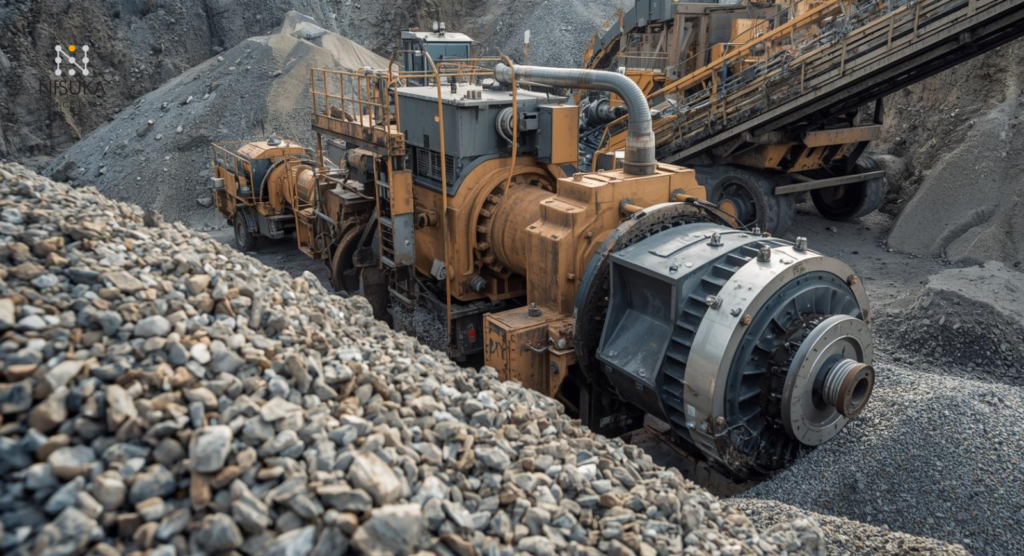
Stone crusher gearboxes are important components in different heavy industries that rely on controlled crushing and smooth conveyor movement. The Applications of Stone Crusher Gearboxes can be seen in sand units, mineral processing plants, quarry belts, limestone factories, and large stone units. These gearboxes deliver stable torque, reduce speed safely, and improve long-term production efficiency. They help industrial plants work continuously with less vibration, fewer mechanical breakdowns, and lower energy loss.

A strong gearbox also supports workers by improving operational safety and reducing downtime during heavy crushing activities. Many plants choose stone crusher gearboxes because they are durable, easy to install, and suitable for dusty working environments. Their ability to manage heavy load and continuous operation makes them a trusted choice for different industrial segments.

1. Sand and Aggregate Crushing Units

Sand and aggregate units rely on powerful gearboxes for stable crushing and consistent output. The Applications of Stone Crusher Gearboxes in these units allow controlled machine speed, better torque, and reliable conveyor movement during continuous production.

Because sand and aggregate plants handle large amounts of stone every day, strong gearboxes help reduce stress, heat, and vibration. This improves machine life and lowers maintenance cost.

These gearboxes help by:

  • Making crushing speed slow and controlled
  • Supporting continuous operation without breakdown
  • Providing energy efficiency and safe power transfer
  • Improving uniform product size and plant stability

Stone crusher gearboxes also come with sealed lubrication systems, which protect gears in dusty conditions and prevent frequent servicing. As a result, sand and aggregate units experience higher output with reduced downtime and stronger safety performance.

2. Quarry and Mining Conveyor Systems

Stone crusher gearboxes play a key role in quarry and mining conveyor systems where raw stones and minerals need to be transported over long distances. The Applications of Stone Crusher Gearboxes help conveyors run smoothly with controlled torque and reduced vibration. These environments have heavy load, uneven terrain, and dust, making gearboxes essential for safe and efficient power transmission.

Their advantages include:

  • Stable power delivery for steep conveyor belts
  • Reduced mechanical stress and shock during loading
  • Smooth operation under dusty and abrasive conditions
  • Lower breakdowns and improved energy use

A good gearbox also protects motors from overload and helps conveyor belts operate at safe speed. This improves material handling efficiency and reduces operational cost for quarry and mining plants.

3. Cement, Limestone and Mineral Processing Plants

Cement, limestone, and mineral processing plants depend on stone crusher gearboxes to crush raw materials into uniform sizes. The Applications of Stone Crusher Gearboxes make the crushing process steady, slow, and powerful, reducing stress on the machine. Cement and mineral plants run continuously and require gearboxes that can handle heavy duty load without overheating or frequent servicing.

Key benefits include:

  • Smooth and slow crushing for material quality control
  • Safe power transmission under dusty conditions
  • Lower vibration and reduced energy loss
  • Longer service life and fewer maintenance issues

These gearboxes help crushers, feeders, and conveyor belts work efficiently without sudden interruptions. As a result, plants achieve stable production, better energy control, and lower cost of operation.

4. Granite, Marble and Heavy Stone Crushing Units

Granite, marble, and heavy stone crushing units need strong gearboxes to manage slow, controlled crushing and powerful torque. The Applications of Stone Crusher Gearboxes in these units allow crushers to break dense stones safely without vibration or overheating. Since these materials are harder than regular aggregates, a reliable gearbox ensures safe load handling during long working hours.

Main advantages:

  • Strong shock load handling
  • Smooth performance for thick and heavy stones
  • Lower downtime and repair cost
  • Safe conveyor movement under dusty environments

A robust gearbox helps granite and marble units maintain consistent crushing performance and achieve better production quality. This supports long-term machine life, stable workplace safety, and improved operating results.

Conclusion

Choosing the right gearbox is important for stone crushing plants, mining units, and conveyor systems. Ahmedabad has become a trusted hub for strong gearbox engineering because many companies offer durable design, better torque control, safe power transmission, and smooth crushing output. When selecting a Stone Crusher Gearbox supplier, it is useful to compare gearbox features like material quality, ratio, sealing, lubrication, and after-sales support. This helps crushers work longer with less vibration, reduced breakdowns, and stable production.

A reliable Stone Crusher Gearbox supplier can also guide industrial units in matching the gearbox with feeder drives, conveyor belts, and crusher capacity. This kind of product knowledge and service support increases machine safety and improves plant efficiency. In many industries, buyers also learn what is a suspended magnet because it supports separation of unwanted metals while crushing or conveying. Together, good gearboxes, separation equipment, and proper installation keep stone crushing systems running smoothly with lower maintenance cost and higher uptime.

FAQS

Stone crusher gearboxes are used in quarry belts, crusher machines, sand plants, mining conveyors, and cement units. They support slow-speed crushing, stable conveyor movement, and safe power transmission under heavy-duty conditions.

Select a gearbox based on torque requirement, speed ratio, shaft size, load capacity, sealing quality, and maintenance support. Always compare product engineering, housing durability, and after-sales availability before final selection.

With proper lubrication, correct installation, and regular inspection, a stone crusher gearbox can run for many years. Quality gear housing and sealing reduce breakdowns and keep crushers working efficiently for long hours.

Service depends on working hours and dust exposure. Regular lubrication, seal inspection, vibration monitoring, and alignment checks help increase gearbox life and prevent machine failure.

Yes, old gear reducers can be serviced, refurbished, or upgraded without full replacement. Proper maintenance, part replacement, and inspection help restore performance and reduce investment cost.

Common causes include misalignment, poor lubrication, overload, worn gears, seal leakage, or unsafe installation. Proper inspection and preventive maintenance reduce vibration and extend machine life.

Yes, shaft-mounted gearboxes are easy to install, require less maintenance, handle shock loads, and support slow crushing and continuous conveyor operation. They are widely used in quarry and mining applications.