
Conveyor Belt Application: A Complete Guide
Conveyor belt systems have become a backbone of modern industrial operations, quietly driving efficiency across countless sectors. From moving raw materials in mining sites to handling finished goods in warehouses, conveyor belt applications play a critical role in keeping production lines running smoothly and safely. As industries continue to scale and automate, the demand for reliable, application-specific conveyor belt solutions has grown significantly.
This complete guide to conveyor belt applications explores how different industries use conveyor belts to streamline material handling, reduce manual labor, and improve operational consistency. Each application has unique requirements—such as load capacity, environmental conditions, speed, and durability—which makes choosing the right conveyor belt system essential for long-term performance and cost control.
Understanding where and how conveyor belts are applied helps decision-makers, engineers, and plant managers design more efficient workflows while minimizing downtime and maintenance issues. Whether used for bulk material transport, product sorting, packaging, or continuous production processes, conveyor belt systems offer measurable benefits when properly selected and implemented. When these systems are paired with reliable drive solutions from a trusted SMSR gearbox manufacturer, industries can achieve smoother power transmission, improved load handling, and long-term operational reliability across demanding industrial applications.
By focusing on real-world industrial applications, this guide provides practical insight into how conveyor belts support productivity across sectors like mining, manufacturing, cement, food processing, logistics, and power generation. The goal is to help readers make informed, experience-based decisions grounded in industry best practices and proven operational needs.
What Is a Conveyor Belt?
A conveyor belt is a mechanical system used to move materials, products, or goods from one place to another in a continuous and controlled manner. When people search What Is a Conveyor Belt, they are usually trying to understand how industries handle material movement efficiently while reducing manual effort. Conveyor belts are designed to support smooth workflow and consistent production across different industrial environments.
- A conveyor belt system includes a moving belt, rollers or pulleys, and a motor that drives the belt.
- It allows materials to be transported safely over short or long distances without interruption.
Understanding What Is a Conveyor Belt is important because these systems play a key role in improving productivity and operational efficiency.
- Conveyor belts help reduce labor dependency and minimize handling-related injuries.
- They ensure steady material flow, which supports faster and more reliable operations.
Due to their flexibility and reliability, conveyor belts are widely used in industries such as manufacturing, mining, logistics, food processing, and packaging, where continuous and controlled material movement is essential.
Conveyor Belt Applications in Mining Industry
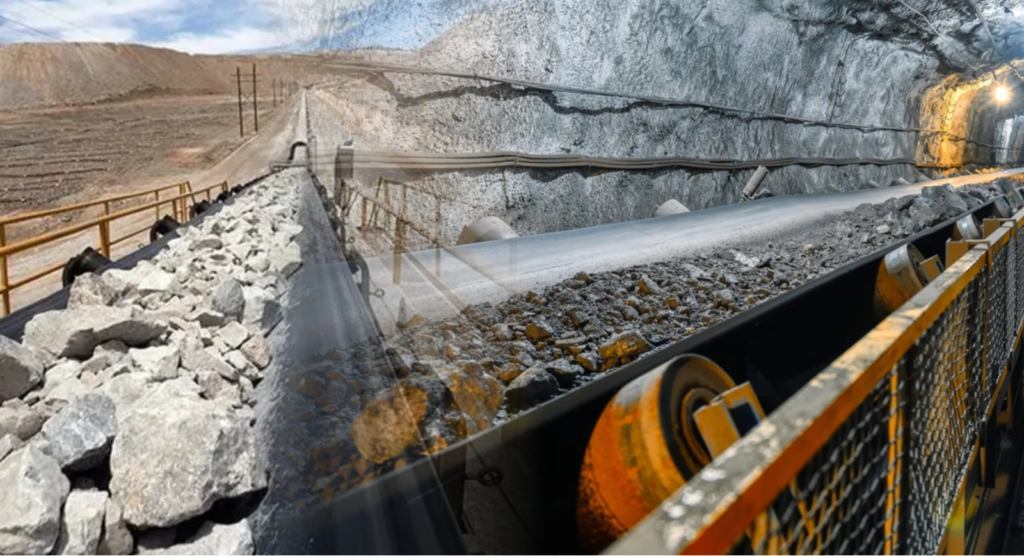
Conveyor belt systems are essential for efficient material handling in modern mining operations. Conveyor Belt Applications in Mining Industry focus on transporting large quantities of ore, minerals, and overburden material in a safe and continuous manner. These systems support smooth workflow by reducing manual handling and limiting the use of heavy vehicles inside mining sites.
Conveyor belts are designed to operate reliably in harsh environments such as dust, moisture, and uneven terrain. By enabling steady material flow, they help improve productivity, reduce operational costs, and enhance overall safety standards in both surface and underground mining operations.
1. Transportation of Ore and Minerals
- Conveyor belts are widely used to transport mined ores and minerals such as coal, iron ore, limestone, and bauxite from extraction points to crushers or processing units.
- Conveyor Belt Applications in Mining Industry ensure continuous and controlled material movement, even over long distances.
In mining sites, conveyor belts help reduce material spillage and avoid delays caused by truck-based transport. They maintain a steady flow of raw materials, which is important for consistent processing and production planning. By replacing or reducing heavy vehicle movement, conveyor belts lower fuel consumption and maintenance costs. They also reduce congestion within mining areas, improving worker safety. Supported by durable bearing housings from a reliable plummer block manufacturer, these conveyor belt systems deliver stable shaft support and long-term reliability, making them a cost-effective solution for handling bulk materials in large-scale mining operations.
2. Conveyor Belt Use in Underground Mining
- Underground mining requires safe and efficient material transport in narrow and confined spaces.
- Conveyor Belt Applications in Mining Industry are commonly used to move extracted materials through tunnels to surface-level facilities.
Conveyor belts in underground mines help minimize manual handling and reduce worker exposure to hazardous conditions. These systems are designed to operate effectively in dusty, damp, and low-visibility environments. By supporting continuous material flow, conveyor belts help maintain steady production rates without frequent interruptions. They also improve overall mine safety by limiting the movement of vehicles and equipment in tight spaces. As a result, conveyor belts play a vital role in improving efficiency and safety in underground mining operations.
3. Heavy-Duty Conveyor Belts for Mining Operations
- Mining operations demand conveyor belts that can handle heavy loads and abrasive materials.
- Conveyor Belt Applications in Mining Industry rely on heavy-duty conveyor belts built for durability and long service life
These conveyor belts are reinforced to withstand impact, moisture, and extreme operating conditions. Their strong construction reduces the risk of belt damage and unexpected breakdowns, helping to minimize downtime. Heavy-duty conveyor belts support continuous operation in large mining projects where reliability is critical. By using belts designed specifically for mining environments, operators achieve better performance, lower maintenance requirements, and consistent material handling. This makes heavy-duty conveyor belts a dependable choice for high-capacity mining operations.
Conveyor Belt Applications in Cement Industry
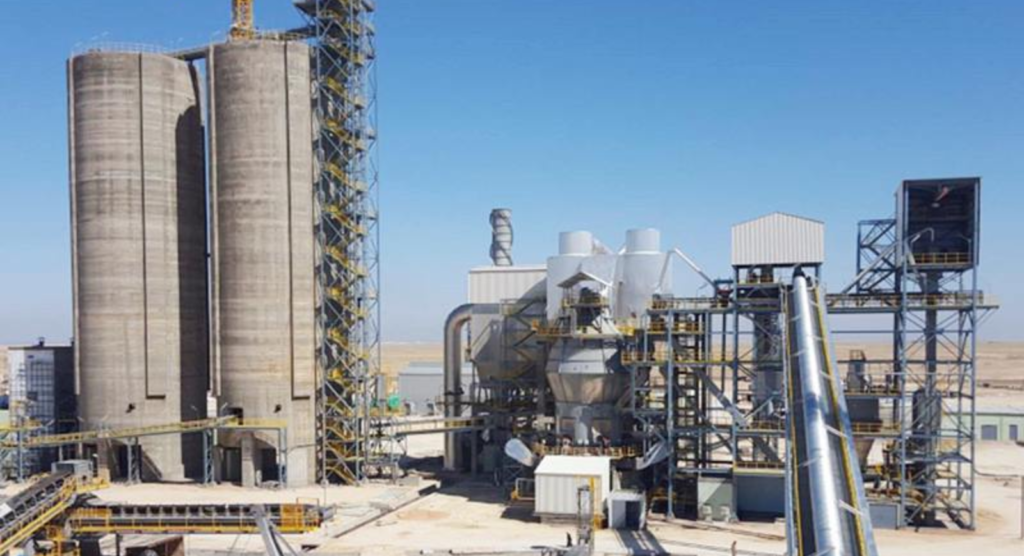
Conveyor Belt Applications in Cement Industry are essential for maintaining smooth, continuous, and cost-efficient operations in modern cement plants. Conveyor belts are used at every major stage of cement production to move raw materials, semi-processed materials, and finished products safely and efficiently.
They help reduce manual handling, minimize material loss, and ensure a steady production flow. In cement plants, conveyor belts operate in dusty, heavy-load, and demanding environments, making reliability and durability critical. By supporting automated material movement, conveyor belt systems improve productivity, enhance workplace safety, and reduce operational downtime, which makes them a core part of cement manufacturing infrastructure.
1. Raw Material Handling in Cement Plants
Raw material handling is a primary area where Conveyor Belt Applications in Cement Industry are widely used. Conveyor belts transport limestone, clay, shale, and additives from mines or storage yards to crushers and grinding units. This ensures a continuous and controlled supply of materials, which is essential for consistent cement quality.
Conveyor belts reduce dependency on trucks and loaders, lowering fuel costs and congestion inside the plant. They also minimize spillage and material wastage. By enabling long-distance and high-capacity material movement, conveyor belts help cement plants maintain efficient production schedules and reduce handling delays.
2. Clinker and Finished Cement Transportation
Clinker and finished cement transportation is another critical use of Conveyor Belt Applications in Cement Industry. After the kiln process, hot clinker is conveyed to coolers, storage silos, or grinding units using specialized conveyor systems.
Conveyor belts are also used to move finished cement, either in bulk or bagged form, to packing and dispatch areas. This controlled transportation improves logistics efficiency and reduces turnaround time. By maintaining continuous material flow, conveyor belts help cement plants achieve higher output while ensuring safe and organized product handling.
3. Conveyor Belts for High-Temperature Cement Processes
High-temperature conditions are common in cement manufacturing, especially during clinker handling. Conveyor Belt Applications in Cement Industry include the use of heat-resistant conveyor belts designed to handle hot materials without damage.
These belts are engineered to withstand extreme temperatures while maintaining strength and flexibility. Their use helps prevent frequent belt failures, reduces maintenance requirements, and supports uninterrupted operations. Heat-resistant conveyor belts play a key role in maintaining safety, reliability, and long-term efficiency in high-temperature cement processes.
Conveyor Belt Applications in Manufacturing Industry
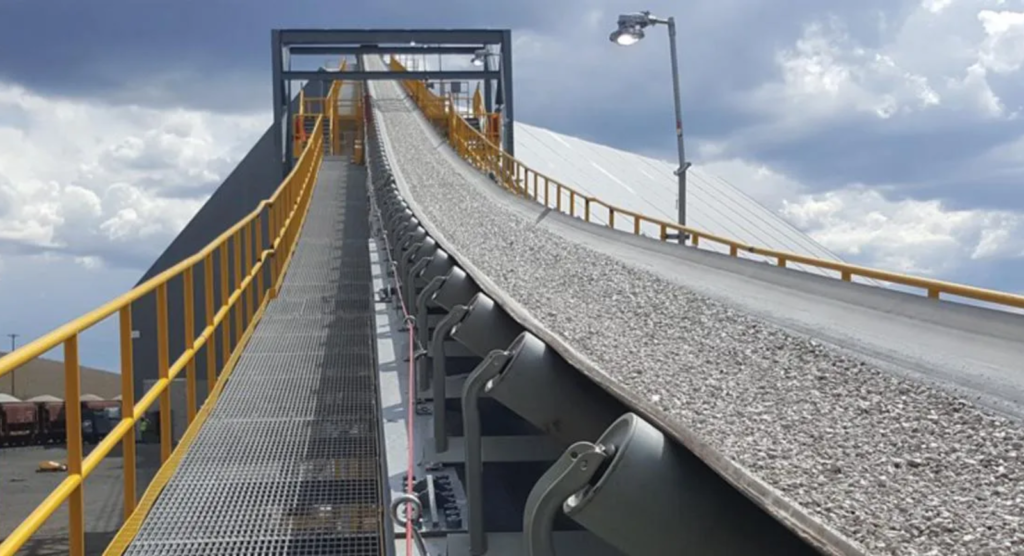
Conveyor Belt Applications in Manufacturing Industry are essential for maintaining efficient, accurate, and high-speed production processes. Conveyor belts are widely used to move raw materials, components, and finished products between different stages of manufacturing. They help reduce manual handling, improve workplace safety, and ensure consistent material flow.
By supporting automation, conveyor belt systems allow manufacturers to increase productivity while maintaining quality standards. Depending on the application, different types of conveyor belt systems, such as flat belt conveyors, roller conveyors, and modular belt systems are used, making them suitable for various manufacturing setups—from small assembly units to large-scale production plants
1. Assembly Line Material Movement
- Conveyor Belt Applications in Manufacturing Industry are commonly used in assembly lines to move parts smoothly between workstations.
- Conveyor belts ensure materials arrive on time, helping workers complete tasks efficiently.
Assembly line conveyor systems help maintain a steady production pace and reduce delays caused by manual transport. They minimize handling errors and support organized workflow, which leads to improved productivity and better coordination across the manufacturing process.
2. Conveyor Belts in Automotive Manufacturing
- Automotive plants use conveyor belts to transport heavy and complex vehicle components.
- Conveyor Belt Applications in Manufacturing Industry support engine, body, and part movement across production stages.
Conveyor belts reduce physical strain on workers and improve accuracy in automotive assembly. Their continuous operation helps maintain high production volumes while ensuring safety and consistency in manufacturing operations.
3. Conveyor Systems for Continuous Production Flow
- Continuous production relies on uninterrupted material movement.
- Conveyor Belt Applications in Manufacturing Industry connect multiple processes into a smooth workflow.
Conveyor systems help reduce downtime, maintain production stability, and support scalable manufacturing operations. This makes conveyor belts a reliable solution for continuous and efficient production environments.
Conveyor Belt Applications in Food Processing Industry
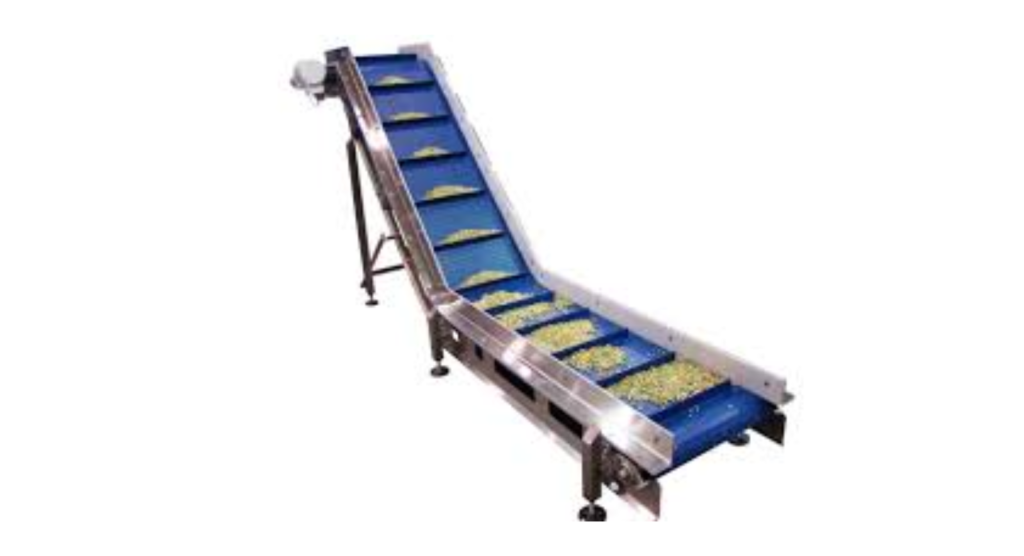
Conveyor Belt Applications in Food Processing Industry are critical for maintaining hygiene, efficiency, and consistent production in food manufacturing units. Conveyor belts are used to move raw materials, semi-processed items, and finished food products safely across different processing stages. They help reduce manual contact with food, lowering the risk of contamination.
By supporting continuous and controlled movement, conveyor belt systems improve productivity while meeting strict food safety and quality standards. Their flexibility allows food processors to handle different product types and production volumes with ease.
1. Hygienic Conveyor Belts for Food Handling
- Hygiene is a top priority in food processing operations.
- Conveyor Belt Applications in Food Processing Industry use food-grade belts that are easy to clean and resistant to bacteria and moisture.
These conveyor belts help prevent cross-contamination by reducing direct human handling. Their smooth surfaces support effective cleaning and sanitation routines. By maintaining hygienic material movement, conveyor belts help food manufacturers comply with safety regulations and protect product quality.
2. Conveyor Belt Use in Sorting and Packaging
- Sorting and packaging require accuracy and consistent product flow.
- Conveyor Belt Applications in Food Processing Industry support efficient sorting by size, weight, or type before packaging.
Conveyor belts ensure steady movement of food items to packaging machines, reducing delays and handling errors. This automation improves packaging speed and consistency, helping manufacturers meet production targets without compromising quality.
3. Temperature-Resistant Belts for Food Processing
- Food processing often involves high or low temperature conditions.
- Conveyor Belt Applications in Food Processing Industry include temperature-resistant belts designed for hot, chilled, or frozen food handling.
These belts maintain durability and flexibility under temperature changes. Their use ensures safe food transport, reduced maintenance, and uninterrupted processing across temperature-sensitive operations.
Conveyor Belt Applications in Agriculture Industry
Conveyor Belt Applications in Agriculture Industry are widely used to improve efficiency and reduce manual effort in agricultural operations. Conveyor belts help move grains, seeds, fertilizers, and agricultural produce smoothly across different stages such as harvesting, storage, and processing. These systems support continuous material flow, reduce handling losses, and improve workplace safety. By minimizing manual handling, conveyor belts also help maintain product quality and hygiene. When designed using a proper Gearbox Selection Guide for Your Application, conveyor belt systems deliver reliable performance and long-term efficiency, making them suitable for farms, warehouses, and agro-processing units where consistent material movement is essential.
1. Grain Handling and Storage Conveyor Belts
- Conveyor belts are used to transport grains like wheat, rice, and maize from collection points to storage silos.
- Conveyor Belt Applications in Agriculture Industry ensure uniform and controlled grain movement with minimal spillage.
These systems reduce grain damage and help maintain quality during loading and unloading. Conveyor belts also improve efficiency in storage facilities by speeding up material transfer and reducing labor requirements.
2. Conveyor Belts for Fertilizer and Seed Handling
- Fertilizers and seeds require careful handling to avoid wastage and contamination.
- Conveyor Belt Applications in Agriculture Industry use conveyor belts to move these materials safely during packaging and distribution.
Conveyor belts help reduce dust formation and limit direct human contact with chemicals. This improves safety while ensuring consistent material flow across agricultural supply processes.
3. Conveyor Systems in Food Grain Processing Units
- Food grain processing units rely on conveyor systems for cleaning, grading, and packaging operations.
- Conveyor Belt Applications in Agriculture Industry support continuous movement between processing stages.
By maintaining steady workflow, conveyor belts help increase productivity and preserve grain quality in processing facilities.
Conclusion
Conveyor belt systems play a vital role in modern industrial operations, and this guide has highlighted how conveyor belt applications support efficient material handling across a wide range of industries. From mining and cement plants to manufacturing, food processing, and agriculture, conveyor belts help move materials smoothly, safely, and consistently. Their ability to support continuous operations makes them an essential solution for industries focused on productivity and operational reliability, especially when integrated with reliable components from a trusted Conveyor Belt Tensioner Manufacturer to maintain proper belt alignment and performance.
One of the key advantages of conveyor belt applications is their flexibility. Different industries require different belt types based on load capacity, environmental conditions, hygiene standards, and temperature requirements. When the right conveyor belt system is selected, businesses can reduce manual labor, minimize material loss, improve safety, and maintain steady production flow. These benefits directly contribute to lower operational costs and better output quality.
As automation and large-scale production continue to grow, conveyor belt applications will remain central to efficient material handling systems. Understanding how and where conveyor belts are used allows businesses to make informed decisions that support long-term performance. By applying the insights from this complete guide, industries can optimize their operations and build a more efficient, reliable, and future-ready production environment.
FAQS
What are the main applications of conveyor belts?
Conveyor belts are mainly used for transporting materials and products in industries such as mining, cement, manufacturing, food processing, agriculture, logistics, and warehousing. They support continuous material movement, reduce manual handling, and improve operational efficiency.
Which industries use conveyor belt systems the most?
Industries that use conveyor belt systems the most include mining, cement plants, manufacturing units, food processing facilities, agriculture, power plants, and logistics centers. These industries rely on conveyor belts for bulk material handling and continuous production flow.
Why are conveyor belts important in industrial applications?
Conveyor belts are important because they improve productivity, reduce labor costs, enhance safety, and ensure consistent material flow. They help industries automate processes and maintain smooth operations even in high-volume environments.
How do conveyor belts improve productivity in industries?
Conveyor belts improve productivity by enabling continuous and controlled movement of materials. They reduce delays, minimize manual handling, and help maintain a steady workflow across different production stages.
What types of conveyor belts are used for different applications?
Different applications use different conveyor belts, such as flat belts, troughed belts, cleated belts, heat-resistant belts, and food-grade belts. The selection depends on material type, load capacity, temperature, and operating conditions.
Where are conveyor belts used in mining and cement industries?
In mining and cement industries, conveyor belts are used for transporting raw materials, clinker, coal, minerals, and finished products. They support long-distance and heavy-load material handling in harsh environments.
How do conveyor belt systems support automation?
Conveyor belt systems support automation by connecting multiple processes into a continuous workflow. This reduces human intervention, improves accuracy, and helps industries scale production efficiently.
How to choose the right conveyor belt for an application?
The right conveyor belt is chosen based on factors such as material type, load weight, operating environment, temperature conditions, and production requirements. Selecting the correct belt ensures durability, safety, and long-term performance
One reply on “Conveyor Belt Application: A Complete Guide”
[6950]Casino Official Login | GCash Online Slots & Fast Payouts,Access your casino official login to enjoy GCash online slots. Learn winning baccarat strategies and play the fastest payout games. Join the action now! visit: casino