What is a Gear Oil Pump? Complete Guide

Introduction of Gear Oil Pump

A gear oil pump is a special pump designed to transmit lubricating oil in machinery, which ensures smooth operation by reducing friction between moving parts. This mechanical equipment is commonly used in industrial applications, especially in systems with gearboxes, bearings, and other rotating devices.

Gear oil pumps are required to maintain the right oil pressure and to ensure frequent lubrication in demand for industrial environments. 

A gear oil pump operates on the principle of positive displacement, which means that it moves a certain amount of oil with each cycle. It usually contains two intermeshing gears that roam the suction side to pull the oil and push it out into the discharge side. This action ensures a continuous flow of lubricants for important components such as gears, bearings, and shafts. 

Gear oil pumps can vary in design, including external, internal, and gearotor types, but they all share the same fundamental goals: to ensure reliable lubrication, to prevent overheating, and to reduce the wear on machinery. Oil is necessary for cooling, cleaning, and safety of components within machines. Without proper flow of oil, friction will increase, causing overheating, decline in parts, and eventually, failure of important equipment.

This is why gear oil pumps are indispensable in many industries, including manufacturing, mining, construction, and motor vehicle areas.

Why Gear Oil Pump is essential in the industry

In the industrial environment, a gear oil pump is important for maintaining the health and longevity of the machinery. The effective lubrication provided by these pumps reduces friction between gears, shafts, and bearings, significantly reducing wear and tear. This process also helps in heat wastage, which can cause damage to machinery by preventing summer. 

Additionally, gear oil pumps increase energy efficiency by ensuring that all moving parts are smoothly lubricated, allowing machinery to function in its best form with low power consumption. Regular lubrication ensures that the parts are extended smoothly, preventing unnecessary stress on the system.

In addition, gear oil pumps help prevent rust and corrosion, especially in high-humidity or heavy industrial settings. Ultimately, gear oil pumps ensure that the machinery is easily and efficiently operated, reduce the cost of maintenance, reduce downtime, and expand the lives of valuable industrial equipment.

How does a Gear Oil Pump work?

How does a gear oil pump work?

Understanding how a gear oil pump works is important to feel its importance in industrial machinery. These pumps work on a simple but highly effective mechanical principle to ensure stable and reliable oil flow for lubricating systems.

Their strong design and reliable functionality make them ideal for continuous operation in demand for industrial environments

Work theory of Gear Oil Pump

The main function of a gear oil pump is based on positive displacement. This means that the pump moves a certain amount of oil through its chambers with each rotation, maintaining a continuous flow rate regardless of the pressure of the system.

When the pump becomes active, a motor runs gears inside the residence. As these gears revolve, they form a vacuum from the reservoir, drawing oil from the reservoir. 

The oil then travels around the outer edges of the gear, avoiding the center where the gear arises. This movement prevents oil backflow and protects it from the outlet under pressure. Continuous speed ensures a stable and pressurized flow of oil, which is later transported to important components such as gearboxes, Plummer blocks, and bearings, which ensure frequent lubrication and cooling. 

Gear mechanisms and oil flow process of Gear Oil Pump

A specific gear oil pump uses either an external gear set (two separate gears) or an internal gear set (one gear inside the other). As gears rotate, they stuck oil between gear teeth and pump housing, carrying it from inlet to outlet.

The oil flow process starts with suction at the intake port; the gear travels through the tooth chambers and is discharged at the outlet. This design reduces disturbance and maximizes efficiency, which is ideal for industrial systems that rely on accurate and uninterrupted lubrication.

Types of Gear Oil Pump

Types of Gear Oil Pump

Gear oil pumps are classified based on their internal gear configuration and flow mechanism. Understanding different types helps industries choose the right model for their application – whether it is for a conveyor system, shaft-mounted gearbox, or other rotating machinery.

Let’s find out the most common types used in industry

1. External Gear Oil Pump

External gear oil pumps have two identical gears – operated and idler—housed inside a cover. As the gears rotate, they make suction on the inlet, draw in oil, and push it towards the outlet under pressure.

Known for their simplicity and durability, these pumps are widely used in systems that require stable flows, such as shaft-mounted gearboxes and conveyor gear systems. They are ideal for high-pressure applications and provide persistent performance. 

2.Internal Gear Oil Pump

Internal gear pumps have two gears—one inside the other—where small interior gears run a large exterior gear.

This configuration allows for cool operation and smooth flow. Internal gear pumps are particularly useful when handling high-viscosity lubricants and usually require controlled lubrication, such as Plummer blocks or delicate industrial setups. 

3. Gerotor and Lobe Gear Oil Pump

A gerotor pump uses an internal and external rotor to move the oil. They are compact and efficient, suitable for low-pressure systems.

On the other hand, lobe gear pumps facilitate lobe-shaped gears and handle large particulates, making them excellent for liquid systems requiring gentle handling without heat. 

Comparison between types of Gear Oil Pump

External gear pumps provide high pressure and strong performance, which are ideal for demanding applications. Internal gear pumps provide smooth, cool operations for controlled flow. Gerotors and lobe pumps serve specific roles where size or flow gentleness matters.

Each type supports various industrial needs, which helps to adapt to lubrication systems effectively.

Application of Gear oil Pump in Industries

The major component of a gear oil pump

To understand how a gear oil pump gives reliable performance in industry, it is important to detect its main components.

Each part plays an important role in ensuring stable oil flow, effective lubrication, and long service life. What is a plummer block, which is the block that helps maintain shaft stability? It is necessary to understand gear oil pump components for system optimization.

Housing and Gear

Set The housing gear is the main body of the oil pump, which is usually made of raw iron, aluminum, or stainless steel, depending on the industrial environment. It safely attaches internal components and maintains accurate alignment between parts. Inside the housing, you will find a gear set, which usually contains a drive gear and an idler gear.

They roam in the sink to make gear suction and move the oil efficiently to the outlet. The accuracy of gear teeth and minimal internal approval ensures high volumetric efficiency and reliable performance. 

Shaft, Bearings and Seal

The shaft connects the drive gear to the exterior motor or power source, which enables rotation. Bearings support the shaft and ensure that excessive friction or misleading moves easily. A durable mechanical seal or lip seal is used to prevent oil leakage and protect the internal components from contaminants.

Like a Plummer block, which supports a rotating shaft, these parts keep the pump running accurately under the load and pressure. 

Suction and discharge port

The suction port draws oil from the reservoir to the pump chamber, while the discharge port directs the pressure in the machinery requiring lubrication.

These port flows are sized to maintain efficiency and are often threaded or flanged for safe pipeline connections.

Choosing the right Gear Oil Pump for your needs

It is important to select the right gear oil pump to ensure the smooth operation and longevity of the industrial machinery. Whether you are driving a heavy-duty conveyor system or an accurate-in-operation assembly, a compatible and skilled gear oil pump helps maintain proper lubrication, reduce downtime, and improve the performance of equipment.

SMSR gearbox manufacturers in India often recommend specific pump types to suit the demands of gear systems, emphasizing how important pump selection is in maintaining gearbox efficiency. 

Role of Gear Oil Pump

Key factor to consider for gear oil pump

When choosing a gear oil pump, it is important to evaluate some technical parameters. First of all, understand the viscosity of the oil you want to use. High-chip-prop oils require pumps with strong displacement capacity, while low-spill fluids may require strict tolerance for effective flow.

The flow rate is another important factor. The liter is measured at a minute (LPM), determining how quickly the oil rotates through the system. The pump must match your system’s lubrication requirements to avoid undersizing or oversizing. The pressure rating is equally important.

A pump will have to face operating pressure within your system without failure. Always choose a pump that aligns with both your flow and pressure specifications to ensure optimal performance and safety. 

Adaptation option based on industry type

Industries such as mining, cement, food processing, and manufacturing often require special oil pumps. Adaptation options may include various housing materials, shaft lengths, increasing tilt, or seal types to handle the specific environment-from dusty outdoor setups to hygienic food-grade plants.

Gear Oil Pump vs other lubrication system

It is important to choose the right lubrication system to ensure efficient and long-lasting performance of industrial machinery. Gear oil pumps are usually used in systems that require accurate lubrication. However, other lubrication methods, such as splash lubrication, gauze lubrication, and centralized systems, are also often used in various industries.

Understanding the difference between these systems in terms of design, efficiency, and application can help you choose the best option for your machinery. 

Difference in design and efficiency

Gear oil pumps are positive displacement pumps, meaning that they distribute a consistent and pressurized flow of oil regardless of the change in the system or load of the system. These pumps are designed to deliver proper oil to specific areas of machinery, which also ensures reliable lubrication in complex systems such as shaft-mounted gearboxes, conveyor systems, and other heavy-duty equipment.

On the other hand, splash lubrication depends on the splitting parts to print oil around an enclosure. Although this method is simple and more cost-effective, it is less efficient because it cannot provide accurate lubrication to specific areas, which can lead to uneven distribution of oil in high-demonstration machinery. Mist lubrication works by using compressed air and atoms in a fine mist. 

This method is suitable for high-speed machinery but is not ideal for gearboxes and other attached systems, which require frequent and pressure lubrication. The centralized lubrication system distributes oil to various machines or components from a central point. This approach is highly efficient in large tasks but can be expensive to establish and maintain.

Maintenance Tips for Gear Oil Pump

Maintenance Tips for Gear Oil Pump

Proper maintenance of gear oil pumps is necessary to ensure the longevity and reliability of the machinery in the industrial environment.

Regular maintenance prevents performance issues, reduces the risk of rupture, and expands the service life of your equipment. Applying regular inspections, maintaining oil quality, and troubleshooting general issues will help your system run smoothly. 

Regular inspection and cleanliness

It is important to do regular inspections for wear and to detect tears before they become a problem. Observe housing, gear, and seals for any visible signals of damage, leaks, or rust. It is necessary to clean the pump regularly to remove dirt and debris that can affect its operation.

For example, check the shaft for any misalignment and make sure the bearings are well lubricated. Regular cleaning and inspection ensure that the pump operates with minimal friction and reduce the possibility of mechanical failure. 

Oil quality and filtration check

The quality of oil directly affects the efficiency of gear oil pumps. Over time, the oil can be low and collect contaminants such as dirt and metal particles. It is important to check oil regularly for any sign of contamination or thickness.

Additionally, ensure that the oil filtration system is working properly to prevent the debris from entering the pump. Use the manufacturer’s recommended oil type and replace it according to the specified intervals to maintain optimal lubrication. Poor oil quality can lead to overheating, excessive wear, and pump failure.

Why select Indian manufacturers for Gear Oil Pump

India has emerged as a prominent player in the global manufacturing scenario, especially for industrial components such as gear oil pumps. There are many advantages to choosing an Indian manufacturer for your gear oil pumps, including high-quality products, competitive pricing, and reliable customer service.

With the country’s strong industrial infrastructure, Indian manufacturers are well equipped to meet the needs of diverse customers, following global standards.

Quality Standard and Pricing Benefits

Indian manufacturers are known for strict adherence to international quality standards, making them a reliable option for businesses around the world. These manufacturers ensure that their gear oil pumps are made using durable materials and state-of-the-art technology.

Indian manufacturers offer cheap pricing without compromising product quality, making them a cost-effective option for more expensive suppliers in other countries. The ability to offer competitive rates while maintaining high standards has helped Indian manufacturers to create a reputation for excellence in the global market. 

Role of reliable brands like Nisuka Industries

Brands such as Nisuka Industries play an important role in shaping the reputation of Indian manufacturers. As a leading gear oil pump manufacturer in India, Nisuka Industries provides new solutions that meet a wide range of industries.

Their gear oil pumps are designed to meet specific operating requirements when providing optimal performance to the pumps. Nisuka Industries ensures timely delivery, better customer service, and optimization, causing customers to believe that they are sourcing high-quality, reliable pumps.

Conclusion

Finally, gear oil pumps are indispensable components in various industrial applications, offering accurate lubricants that ensure smooth machinery operations. It is important to understand various types of gear oil pumps, to consider their maintenance needs, and to consider the right pump to ensure long-term equipment reliability. Indian manufacturers, like Nisuka Industries, provide an excellent choice for businesses seeking high-quality, cost-effective oil pumps that meet global standards.

The benefits of choosing a gear oil pump manufacturer in India are obvious: competitive pricing, adherence to quality standards, and reliable customer aid. By selecting reliable brands, companies can not only improve operating efficiency but can also reduce the risk of downtime due to equipment failure. Nisuka Industries, known for its expertise in the region, provides new solutions that meet the diverse needs of industries from oil and gas to manufacturing. 

For industries looking to customize the performance of their machinery while living within the budget, Indian manufacturers offer a clear advantage. Customized solutions and their ability to distribute high-quality products make them a favorite option for global businesses. As the demand for reliable lubrication systems is increasing, it ensures partnership with an experienced gear oil pump manufacturer in India that your machinery remains in the top position for the coming years.

FAQS

A gear oil pump is important to ensure proper lubrication in the industrial environment, reduce wear and tear on machinery, prevent overheating, and increase energy efficiency. It also helps prevent war and war while expanding the life of industrial equipment.

The main task of the oil pump is to transmit oil in your engine or machinery. It helps reduce friction between moving parts, keeps everything cool, and prevents wear and tear. By ensuring a stable flow of oil, the pump helps it run smoothly, and it also helps to clean the system by pushing the oil through a filter to remove dirt and debris.

Gear pumps are used to move fluids, such as oil or chemicals, from one place to another. They work using an interlocking gear to trap and move the fluid, ensuring a consistent and stable flow. Gear pumps are great for handling coarse fluids and high-pressure systems, and you will often find them in machinery, hydraulic systems, or engines. They are known to be reliable and efficient, making them a popular choice for various types of applications.

One of the best gear oil pump manufacturers in India is Nisuka Industries. Known for its high quality engineering and reliable performance, Nisuka offers a wide range of gear oil pumps designed for various industrial applications. Their products are trusted in areas such as mining, cement, manufacturing,, and power transmission. With durability, efficiency, and customer satisfaction, Nisuka Industries has created a strong reputation as the top manufacturer and supplier of the gear oil pump in India.

What is Plummer Block? Everything You Need to Know

Introduction of Plummer Block

A Plummer Block is a type of bearing housing used in mechanical systems to support rotating shafts and ensure smooth motion. It holds the bearing securely in place and allows the shaft to rotate while minimizing friction and vibration. These blocks are typically made of cast iron or steel and are designed to house a wide variety of rolling-element bearings, most commonly spherical or self-aligning ball bearings.

The basic concept behind a Plummer Block is simple: provide a stable and reliable housing for bearings that support a shaft, allowing efficient power transmission in industrial machinery. The block is usually mounted on a base and secured with bolts, enabling easy alignment and adjustment. It also comes with sealing options to prevent dust, moisture, or contaminants from entering and affecting the bearing performance.

What makes the Plummer Block highly efficient is its versatility and ease of maintenance. Engineers and mechanics can quickly replace or lubricate the internal bearing without dismantling the entire setup. Because of these features, Plummer Blocks are widely used in conveyor systems, fans, pumps, and agricultural equipment.

Historical Background and Evolution in Mechanical Systems

The origin of the Plummer Block dates back to the early industrial era when engineers sought ways to improve the support systems for rotating shafts in heavy machinery. Initially, wooden or bronze housings were used, but they were prone to wear and had limited lifespan.

As industrial machinery evolved, there was a growing need for more durable and easily maintainable support systems—this led to the invention of the modern Plummer Block.

In the late 19th and early 20th centuries, cast iron became the material of choice due to its strength and affordability. The introduction of anti-friction bearings like ball and roller bearings further revolutionized the use of Plummer Blocks, making them a key component in mechanical and industrial applications.

Over time, Plummer Blocks were adapted to meet different load requirements, environmental conditions, and industry standards. From textile mills to automotive production lines, these blocks evolved to support both high-speed and heavy-load operations. Modern designs now incorporate advanced sealing systems, corrosion-resistant coatings, and even smart sensors to monitor bearing health in real-time.

Today, the Plummer Block remains a cornerstone in mechanical engineering. Its evolution from a simple housing to a reliable bearing support system highlights the growth of industrial technology. Widely used alongside systems like those from an SMSR gearbox manufacturer in Ahmedabad India, it helps reduce downtime and boost efficiency across various sectors.

Plummer Block Components and Construction

Plummer block components include a solid housing, bearing, sealing arrangement, and fastening bolts. These blocks support rotating shafts and are designed for easy installation and maintenance.

The housing is typically cast iron or steel, offering durability and protection. Proper construction ensures alignment, reduces wear, and extends equipment life in industrial applications.

What Are the Main Parts of a Plummer Block?

A Plummer Block is composed of several key components that work together to support rotating shafts with minimal friction and high durability. Understanding these parts is essential for proper selection, installation, and maintenance in mechanical systems.

The main parts of a Plummer Block include:

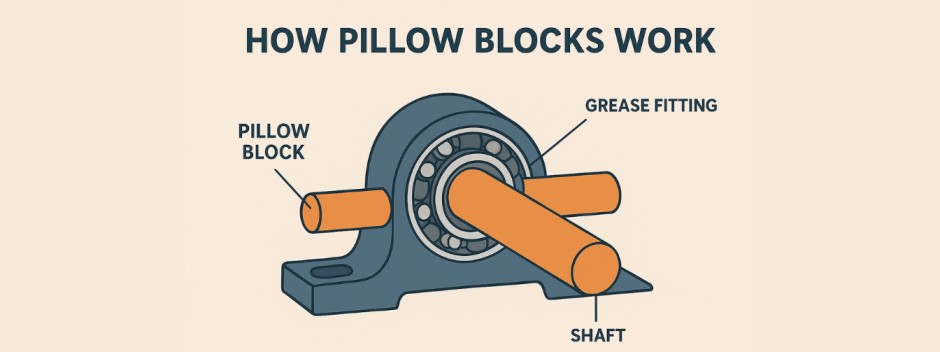
  1. Housing: The outer structure that holds all internal components. It is generally made from cast iron or steel and provides the base for mounting.

  2. Bearing Insert: This is the core component that allows the shaft to rotate. It can be a ball bearing or roller bearing, depending on the application.

  3. Seals and Shields: These protect the bearing from dust, dirt, and moisture, extending its lifespan.

  4. Grease Nipples and Lubrication Ports: These allow for easy lubrication without disassembling the unit.

  5. Locking Mechanism: Ensures the shaft stays aligned and fixed within the bearing insert. Common types include set screws or eccentric collars.

  6. Base Mounting Slots: Used to secure the Plummer Block to a foundation or machine frame.

Each part is crucial to the efficient functioning of the Plummer Block, and any failure or wear in one can impact the overall performance. Proper assembly and maintenance ensure longevity and minimal downtime in industrial applications.

Types of Bearings Used in Plummer Block

Types of Bearings Used in Plummer Block

The type of bearing used inside a Plummer Block significantly impacts its performance, load-handling capacity, and application suitability. The most commonly used bearings include:

  1. Self-Aligning Ball Bearings: These are ideal for applications where shaft misalignment may occur. They adjust themselves within the housing to accommodate minor misalignments.

  2. Spherical Roller Bearings: Designed for heavy loads and harsh environments, these are widely used in mining and processing industries.

  3. Cylindrical Roller Bearings: Suitable for high-speed operations with high radial load requirements.

  4. Tapered Roller Bearings: Often used in applications involving both axial and radial loads.

  5. Needle Roller Bearings: Used where radial space is limited but high load capacity is needed.

Each type of bearing brings a unique advantage, and the choice depends on specific use-case scenarios like load capacity, operating temperature, and environmental exposure.

Material Used in Manufacturing Plummer Block

The material used to manufacture a Plummer Block plays a critical role in its strength, durability, and resistance to environmental factors. Over the years, materials have evolved to meet the demands of different industries and operating conditions.

The most commonly used materials include:

  1. Cast Iron: The most widely used material due to its cost-effectiveness, good machinability, and adequate strength for general applications.

  2. Ductile Iron: Offers improved strength and ductility compared to traditional cast iron. Suitable for applications requiring higher load capacity.

  3. Steel: Preferred in high-performance applications due to its exceptional strength and resistance to wear and tear.

  4. Stainless Steel: Ideal for corrosive environments such as food processing, pharmaceuticals, and marine applications.

  5. Thermoplastics and Composites: These are used in niche applications where chemical resistance and lightweight are critical.

Choosing the right material for your Plummer Block ensures longevity and optimal performance under specific operational conditions. Advanced materials now also include coatings or treatments like zinc plating or powder coating to enhance corrosion resistance.

How Does a Plummer Block Work?

A plummer block works by securely housing a bearing to support a rotating shaft. It holds the shaft in alignment while allowing smooth rotation.

The bearing inside reduces friction and wear. Its design absorbs loads, minimizes vibration, and protects the shaft, ensuring reliable performance in various mechanical and industrial systems.

Working Principle of Plummer Block

To understand how a Plummer Block works, it’s essential to grasp its core function—supporting a rotating shaft while allowing it to turn with minimal resistance. A Plummer Block typically houses a self-aligning bearing that accommodates slight misalignments in the shaft, ensuring smooth and efficient operation.

The block is fixed to a base using bolts, and the shaft passes through the bearing insert. As the shaft rotates, the bearing absorbs radial loads and distributes them evenly across the housing.

What makes the Plummer Block work efficiently is its ability to handle both static and dynamic forces without excessive wear.

The bearing inside is lubricated to minimize friction, and the housing provides added protection from external contaminants. This makes it ideal for long-term, high-speed operations in industrial setups.

Role in Reducing Friction and Supporting Shafts

To understand how a Plummer Block works, it’s essential to grasp its core function—supporting a rotating shaft while allowing it to turn with minimal resistance. A Plummer Block typically houses a self-aligning bearing that accommodates slight misalignments in the shaft, ensuring smooth and efficient operation.

The block is fixed to a base using bolts, and the shaft passes through the bearing insert. As the shaft rotates, the bearing absorbs radial loads and distributes them evenly across the housing.

What makes the Plummer Block work efficiently is its ability to handle both static and dynamic forces without excessive wear.

The bearing inside is lubricated to minimize friction, and the housing provides added protection from external contaminants. This makes it ideal for long-term, high-speed operations in industrial setups.

Types of Plummer Block Their Applications

Types of Plummer Block Their Applications

Plummer blocks come in various types, each designed to suit specific operational needs and environments. These types differ based on bearing design, mounting style, and load capacity.

Understanding the different types of plummer blocks and their applications helps in selecting the right one for optimal performance across industrial and mechanical systems.

Split vs. Solid Plummer Blocks

There are various types of Plummer Blocks, each designed to meet specific engineering needs and environmental conditions. The most commonly used types are split Plummer Blocks and solid Plummer Blocks.

Split Plummer Blocks are designed with a two-part housing that makes maintenance and bearing replacement easier, especially in machines with difficult shaft access. These are widely used in heavy-duty industrial applications like mining, cement manufacturing, and conveyors where operational downtime needs to be minimized.

Solid Plummer Blocks, on the other hand, come with a one-piece housing and are best suited for lighter loads and high-speed operations. They are often found in fans, electric motors, and agricultural machinery. This type is compact, cost-effective, and offers better alignment in certain setups.

The variety in types of Plummer Blocks helps engineers select the right unit depending on load capacity, environmental exposure, and maintenance needs.

Heavy Duty vs. Light Duty Plummer Blocks

Another significant classification in types of Plummer Blocks is between heavy-duty and light-duty units. Heavy-duty blocks are engineered for industrial operations involving extreme radial or axial loads—such as steel plants, mining equipment, and paper mills. These blocks come with reinforced housings and larger bearing capacities.

Light-duty Plummer Blocks, however, are more suited for less intensive applications like HVAC systems, fans, and basic mechanical setups. Their simplified design offers cost efficiency without compromising functionality. Choosing the right type ensures longer life and effective load support.

Common Industrial Applications of Plummer Blocks

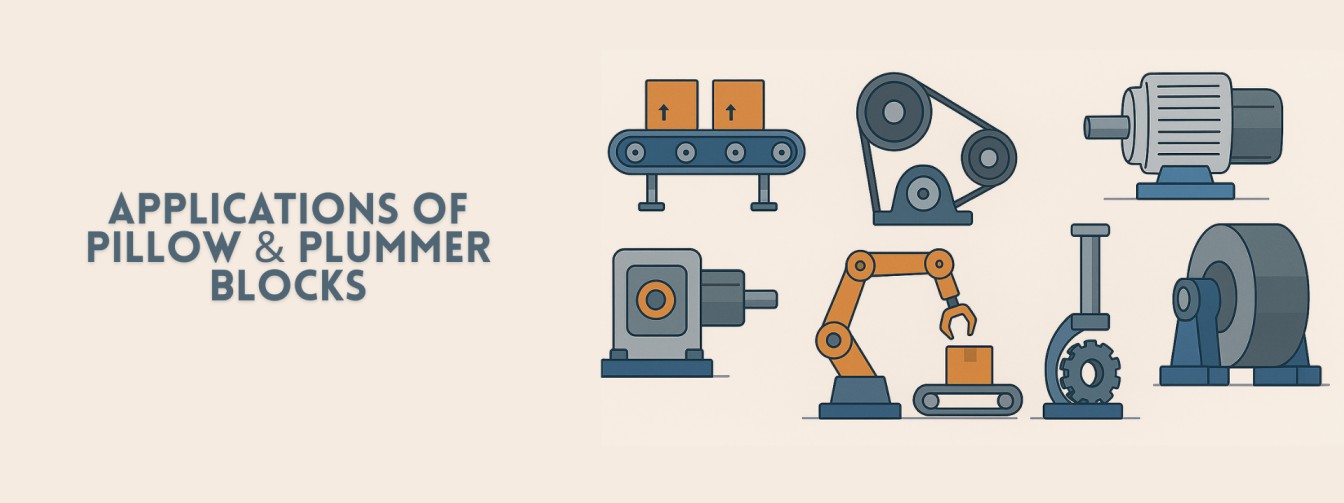
There are countless Plummer Blocks applications across industries due to their reliability and load-handling capabilities. They are widely used in power plants, textile machinery, food processing equipment, and material handling systems.

In these settings, Plummer Blocks applications support rotating shafts under high speeds or heavy stress, ensuring operational continuity. Their role in reducing wear and friction makes them indispensable in modern mechanical systems.

Advantages and Disadvantages of Using Plummer Blocks

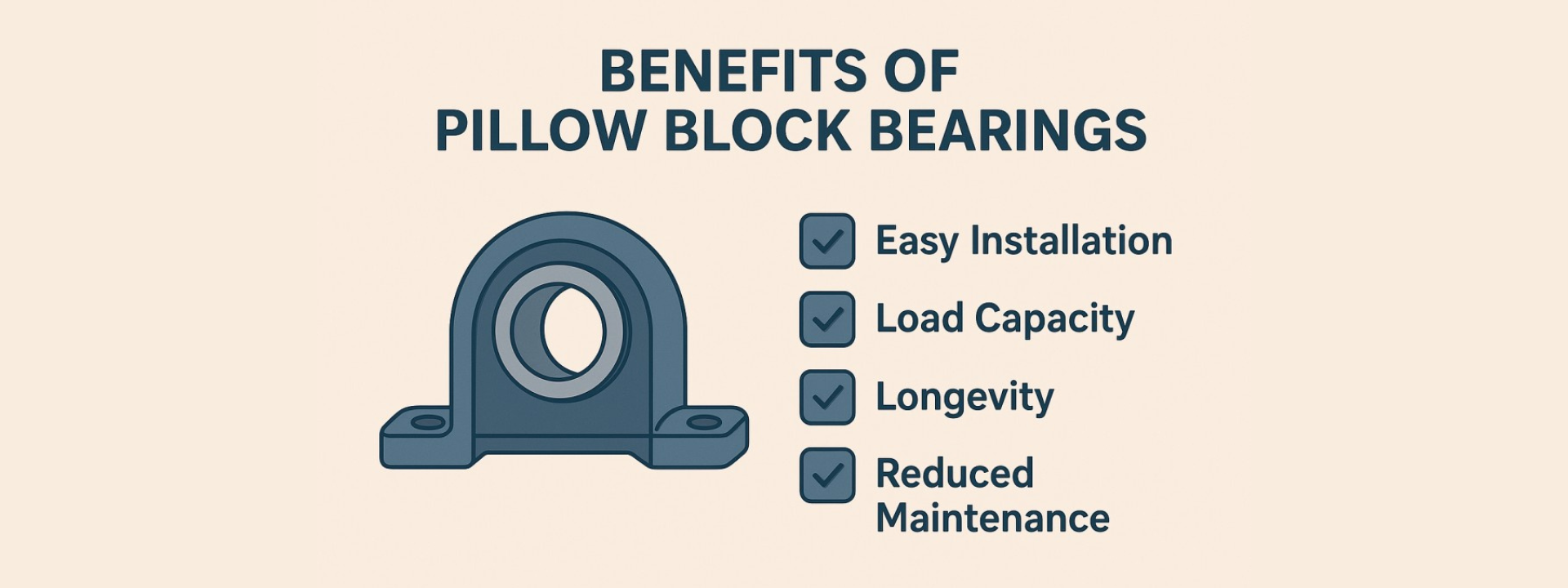
Plummer blocks offer several advantages, including easy installation, effective shaft support, and reduced maintenance. They enhance machinery life by minimizing wear and vibration.

However, they also have disadvantages, such as size limitations and the need for precise alignment. Weighing both sides is essential for selecting the right bearing solution.

Key Benefits of Plummer Blocks in Machinery

Key Benefits of Plummer Blocks in Machinery

There are several noteworthy advantages of Plummer Blocks that make them an essential component in mechanical and industrial systems. One of the biggest benefits is their ease of installation and maintenance. The design allows quick access to internal bearings, which simplifies inspection, lubrication, and replacement without dismantling the entire setup.

Another major advantage is their ability to support high radial and axial loads, making them ideal for heavy-duty applications.

Additionally, advantages of Plummer Blocks include versatility in usage across industries, cost-effectiveness due to longer bearing life, and availability in various materials to suit different environments.

Their sealing options also prevent dust and moisture ingress, enhancing durability in harsh conditions. All these features help increase equipment lifespan and reduce unplanned downtime.

Common Limitations and Maintenance Issues

Despite the many benefits, there are a few disadvantages of Plummer Blocks to consider. One major concern is that improper installation or misalignment can lead to premature bearing failure. Also, regular lubrication is necessary; neglecting this can reduce efficiency and increase wear.

Other disadvantages of Plummer Blocks include higher initial setup costs in specialized applications and limitations in compact or space-constrained machinery. Overloading or exposure to aggressive chemicals without proper material selection can also lead to corrosion and damage over time.

Understanding these challenges helps ensure the right maintenance strategies are in place for long-term performance.

Installation and Maintenance of Plummer Blocks

Step-by-Step Installation Guide

Proper installation of a Plummer Block is critical for achieving optimal performance and long service life. Begin by ensuring the shaft is clean, free of burrs, and properly aligned. Next, mount the bearing on the shaft using the recommended method—this could involve a tapered sleeve or adapter. Once positioned, place the bearing with the shaft into the housing.

Make sure the bearing sits correctly within the base and is aligned with the mounting holes. Secure the housing to the foundation using bolts and tighten evenly. Ensure that the seals are properly fitted and that the lubrication point is accessible. Finally, apply the right amount of grease or oil as per the manufacturer’s guidelines before starting the equipment.

Tips for Regular Inspection and Lubrication

Regular inspection and lubrication are key to maintaining Plummer Block performance. Check for unusual noise, vibration, or increased operating temperature—these can be early signs of wear. Always use compatible lubricants and apply them through designated grease nipples.

Clean off excess lubricant to avoid dust buildup. A monthly check is generally recommended in industrial settings.

How to Troubleshoot Common Plummer Block Problems

Common issues with Plummer Blocks include bearing overheating, misalignment, and excessive vibration. These are often caused by over-lubrication, improper installation, or shaft imbalance. To troubleshoot, start by inspecting the bearing alignment and checking for debris or contamination.

Re-grease if necessary and verify that the shaft is properly supported. Timely diagnostics can help prevent major mechanical failures and costly downtime.

Plummer Block vs. Pillow Block – What’s the Difference?

Plummer Block vs. Pillow Block – What’s the Difference?

Design and Structural Differences

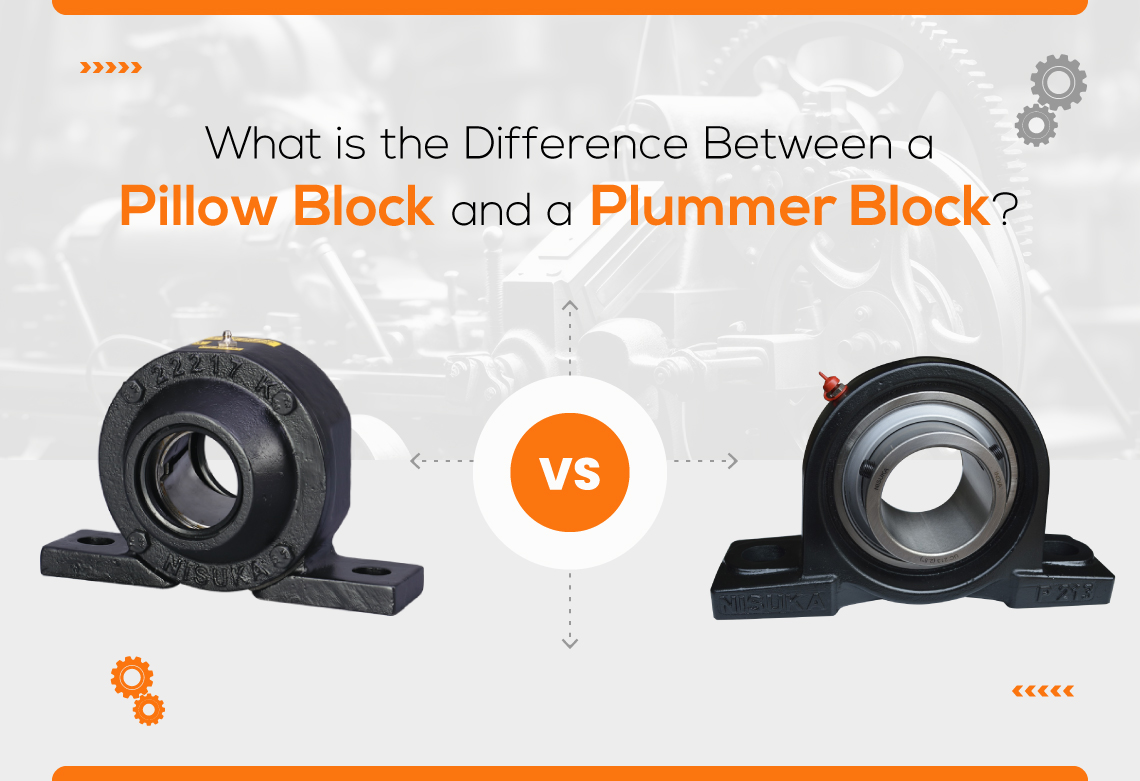
Although Plummer Blocks and Pillow Blocks serve a similar function—supporting a rotating shaft—they differ in design, material strength, and industrial use. A Plummer Block is typically larger and constructed from heavy-duty materials like cast iron or ductile iron, making it suitable for demanding industrial environments.

Its housing is often split into two parts, allowing easier maintenance and bearing replacement. In contrast, a Pillow Block is usually a one-piece design, often made from lighter materials such as aluminum or mild steel.

Pillow Blocks are compact and designed for lighter loads, making them ideal for general-purpose applications. While both types use insert bearings, Plummer Blocks offer more advanced sealing and alignment options, catering to high-performance operations.

Application and Load Capacity Comparison

When it comes to applications and load capacity, Plummer Blocks clearly have the upper hand for heavy-duty settings. These are commonly used in industries like mining, cement, and paper processing where high loads and harsh conditions are standard. On the other hand, Pillow Blocks are preferred for light-duty applications such as HVAC systems, food machinery, and conveyors.

The load capacity of Plummer Blocks is significantly higher, and they can accommodate both radial and axial loads more effectively. Understanding these differences helps in selecting the right housing for mechanical stability and operational efficiency.

Buying Guide: How to Choose the Right Plummer Blocks ?

Factors to Consider Before Buying

Choosing the right Plummer Block is essential for ensuring long-term performance, low maintenance, and safety in industrial machinery. Before purchasing, evaluate the load requirements—both radial and axial—as these determine the bearing size and housing material needed.

Consider the operating environment; for example, applications in dusty, wet, or high-temperature conditions demand sealed or corrosion-resistant Plummer Blocks. Shaft diameter compatibility is also crucial, as a poor fit can lead to misalignment or bearing damage. Trusted by many industries, a Gear Oil Pump manufacturer in Ahmedabad India ensures reliable performance through proper component selection and easy-to-maintain solutions like split housing units.

Always verify whether the unit supports grease lubrication or oil bath systems, depending on your machinery needs. Lastly, check for certifications and durability ratings that align with your industry standards.

Top Manufacturers and Suppliers of Plummer Blocks

When it comes to quality, reliability, and performance, sourcing your Plummer Blocks from reputed manufacturers is key. Global names like SKF, NTN, and FAG offer premium units, but if you’re looking for the best Plummer Block manufacturer in India, Nisuka Industries stands out.

With a strong track record of delivering high-precision, heavy-duty Plummer Blocks built for Indian and international markets, Nisuka ensures high performance, competitive pricing, and long-term durability—making it a top choice for industrial buyers.

Final Thoughts: Is a Plummer Blocks Right for Your Machinery?

Choosing the right bearing housing is crucial for maintaining the longevity and efficiency of your equipment—and a Plummer Block offers one of the most dependable solutions available.

Known for its strength, durability, and ease of maintenance, a Plummer Block is ideal for applications that demand reliable shaft support under heavy loads or continuous operation. Whether you’re running industrial conveyors, pumps, fans, or agricultural machinery, Plummer Blocks provide stable support, excellent load handling, and simplified servicing.

What sets them apart is their adaptability. From harsh environments to precision machinery, Plummer Blocks can be customized with different bearing types, seals, and materials to fit your exact needs. If your priority is reducing friction, minimizing downtime, and improving machine life, then a Plummer Block is likely a smart investment.

However, it’s important to choose the right type and size based on shaft diameter, load type, and environmental conditions. Consulting a trusted manufacturer—like Nisuka Industries, one of the best Plummer Block suppliers in India—can ensure you make the right choice.

In conclusion, if you’re looking for a cost-effective, robust, and versatile bearing support solution, a Plummer Block could be the perfect fit for your machinery setup.

want to explore about what is suspension magnet?

Frequently Asked Questions About About Plummer Blocks

The term “Plummer Block” originated from British engineering terminology. Historically, “plummer” was derived from “plumber,” which referred not only to piping but to any kind of bearing housing or support structure. Over time, the name came to specifically describe a pedestal-like housing used to support rotating shafts with mounted bearings inside. Plummer Blocks are designed to allow easy installation and secure mounting of bearings while handling both radial and axial loads. Their role in industrial equipment became so standardized that the name remained in global usage. Today, “Plummer Block” is commonly used in the UK and Asia, while “Pillow Block” is often the preferred term in the U.S., even though the designs and functions are slightly different.

Yes, Plummer Blocks can be reused, provided they are in good working condition and have been properly maintained. The housing is typically made from durable materials like cast iron or ductile iron, which can withstand years of industrial use. If the internal bearing is worn out, it can be replaced while keeping the same housing intact. However, before reusing a Plummer Block, it’s crucial to inspect for cracks, corrosion, or warping. Proper cleaning, lubrication, and alignment must also be ensured before reinstalling. Reusing a well-maintained Plummer Block can help reduce costs and extend equipment life.

The life expectancy of a Plummer Block bearing depends on several factors including load conditions, lubrication, environmental exposure, and maintenance frequency. On average, a well-maintained bearing inside a Plummer Block can last anywhere from 3 to 10 years in industrial environments. In lighter applications or controlled conditions, it may last even longer. Regular lubrication, proper alignment, and routine inspection significantly contribute to extending the lifespan. Contaminants, misalignment, and neglect can dramatically shorten its life.

Choosing the right type of bearing for the intended load and speed is also key. Manufacturers often provide estimated life ratings (L10 life), which predict bearing longevity under standard operating conditions.

The Role of Plummer Blocks and Pillow Blocks in Industrial Settings

The Difference Between A Plummer Block & A Pillow Block in Industrial Environments Plummer blocks and pillow blocks are essential components in industrial operations, designed to support rotating shafts and enhance machinery performance. This comprehensive guide explores their design, differences, applications, and the technological advancements driving their evolution, with a focus on their critical role in modern industrial efficiency.

Introduction to Plummer Blocks and Pillow Blocks

 Plummer blocks and pillow blocks are bearing housings designed to house bearings in rotating shafts. They take an important role in the machining process by protecting the bearings from wear and environmental factors like dust, moisture, and high or low temperatures. Plummer blocks are heavy-duty and versatile housings often found in severe applications with high radial and axial loads. Their split pillow block design makes installation and maintenance easier while enabling operators to replace bearings on-site without taking apart entire systems. 

Pillow blocks are more compact, lighter, and more suited to lighter loads and smaller applications such as conveyor roller bearings. Due to the simpler installation procedure they have, they end up in industries where members require repeated replacement or adjustment. These blocks reduce the downtime and raise the efficiency of machinery with its long term stability of working. Now, plumper and pillow blocks have improved their strength with new material technology and designs which can suit most industries like agricultural to manufacturing ones. 

Nisuka Industries: A Trusted Name Nisuka Industries is a leading company in the manufacture of bearing housing types. The company provides a wide range of solutions to different industrial like SMSR Gearbox, needs. Nisuka Industries is known for precision engineering and durable materials. Its products are designed to optimize performance and minimize operational disruptions. Plummer and pillow blocks are essential in industrial settings, and understanding their importance helps businesses choose the right solutions for their machinery to improve efficiency and reliability.

Design and Construction Features

 The design and construction of plummer and pillow blocks form the basis of their working. These housings are engineered to provide stable and reliable support for bearings, enabling the efficient operation of rotating shafts. Let’s explore their key features in detail. Structural Design

  1. Split Housing Design: A characteristic of plummer blocks, the split housing design offers easy assembly and replacement of bearings. In industries where equipment failure results in lost output, this is quite advantageous. Flange Block Bearings Flange bearings are commonly used in pillow blocks. The flange facilitates flexibility in alignment for applications where tight shaft alignment is required. Mounting the bearings vertically or horizontally can be done according to the machinery requirements.
  2. Self-Aligning Bearings: Many plummer and pillow blocks are self-aligning, which reduces the possibilities of misalignment and ensures that the bearings last longer. Materials and Construction Materials used in these housings also determine their durability and performance. Some common materials include:
  • Cast iron: Cost-effective in heavy-duty applications, this material is robust and resistant to wear.
  • Stainless Steel: Due to its exceptional resistance to rust, stainless steel thrust bearings are particularly useful in damp or corrosive settings, such as those found in the food processing or marine sectors.
    Composite Materials: These materials can be utilized in applications where weight reduction is crucial because they are corrosion-resistant and lightweight.

Advanced Sealing Systems

Advanced sealing mechanisms in contemporary designs shield the bearings from impurities like moisture, dust, and grime. This reduces maintenance expenses while also extending the bearings’ lifespan.

Nisuka Industries pvt ltd ensures precision-engineered plummer and pillow blocks with these design features to maximize efficiency and durability in industrial applications.

Materials Utilized in the Production Process

Materials Utilized in the Production Process Plummer Block and Pillow Block

The choice of material is made to guarantee the longevity, effectiveness, and functionality of pillow and plummer blocks. Industrial settings vary between very high load settings to severe corrosive atmospheres; appropriate selection of material would then ensure reliability and long life of service. Materials in General Usage

  1. Cast Iron: Cast iron is the most commonly used material for bearing housings because of its strength, affordability, and excellent wear resistance. It is preferred in applications where high-load capacity is required. Cast iron plummer blocks are used widely in mining, heavy machinery, and manufacturing operations.
  2. Stainless Steel: Stainless steel is used when corrosion resistance is a critical requirement in food processing, pharmaceuticals, and marine environment applications. The added strength of stainless steel thrust bearings against corrosion and high-temperature conditions gives them a place in highly hygienic and durable-industry-based applications.
  3. Composite Materials Composite materials are corrosion-resistant, lightweight, and used in applications that demand moderate load conditions. The lesser weight composite material is most suitable for machinery where it is desirable to minimize the total mass. This is possible in particular conveyor systems.
  4. Alloys and Special Coatings: Advanced alloys and surface treatments such as powder coating or anodizing increase strength and wear resistance. Such applications are ideal for extreme environments such as mining and offshore operations. Material Selection Factors
  • Load Capacity: Cast iron is ideal for high-load applications, while stainless steel or composites work well in low-load or corrosive environments.
  • Operating Environment: Stainless steel is ideal for wet, corrosive, or high-temperature applications.
  • Cost-effectiveness: Although stainless steel may be more expensive, its long life and minimal maintenance needs are often offset by the investment. Innovations in Material Use Nishuka Industries is always innovating with materials to meet changing industrial needs. For instance:
  • Materials that combine the strength of cast iron and the longevity of stainless steel;
  • Better sealing systems to increase resistance to contamination.

High-quality bearing housings from Nishuka Industries can be especially designed for various applications or conditions. That way, they guarantee perfect performance and durability.

Usage in Varying Sectors Plummer blocks and pillow blocks

 play an important role in the operation of many industries. They can endure various types of loads and environmental conditions. In that regard, they become an all-in-one solution for rotating machines. Let’s consider their application in more detail across the industry. Manufacturing and Assembly Lines Plummer and pillow blocks are the backbone of production plants where reliability and efficiency are critical.

  • Conveyor Roller Bearings: Pillow blocks guarantee a frictionless movement of materials over conveyor systems and minimize energy consumption and wear on the system.
  • Mountable Bearings: Quick installation and alignment are key to maintaining assembly lines up and running with minimal downtime.

Heavy Equipment and Machinery
Plummer blocks are essential for supporting the shafts of heavy-duty machinery in sectors like mining, steel manufacturing, and construction.

  • Their sturdy design and large load capacity guarantee stability in applications with severe vibrations and substantial axial and radial forces.
  • Split pillow block designs allow for easier maintenance in these demanding environments.

Equipment for Mining and Agriculture

  • Durable and corrosion-resistant solutions are necessary due to the tough operating conditions in mining and agriculture.
  • Thrust bearing types in plummer blocks are applied to deal with axial loads in irrigation systems and mining machinery.
  • Stainless steel thrust bearings resist wear and corrosion, which is important for outdoor or abrasive environments. Specialized Applications Niche applications also have a place for these blocks:
  • In the marine industry, stainless steel housings protect bearings from saltwater corrosion.

In food processing, hygiene-compliant materials ensure operational safety. Why Choose Nishuka Industries? Nishuka Industries specializes in the wide variety of applications with their array of bearing housing and customized solutions. They stick to the quality and ensure smooth and reliable performance in any industry.

Benefits of Employing Plummer and Pillow Blocks

Benefits of Employing Plummer Block and Pillow Block

 Plummer blocks and pillow blocks have many advantages that contribute to their irreplaceable use in industries. All these can mean cost cuts and increased productivity. Housing Strength and Durability

  • Composed of durable materials like cast iron and stainless steel, the housings are constructed to accommodate heavy loads, extreme temperatures, and hostile environments.
  • Stainless steel thrust bearings have excellent resistance to corrosion, thus they can be used for a longer period even in harsh environments. Ease of Installation and Maintenance
  • The plummer block split housing facilitates the replacement of the bearing without disassembling the machine.
  • Bearings mounted in pillow blocks are easy to install without much hassle, thus less time is wasted. Versatility
  • The pillow block bearing sizes vary, thus the housings can be used with different shaft diameters and loads.
  • They are versatile and accommodate many types of bearings such as flange block bearings and thrust bearing types that provide versatility across applications. Cost-Efficiency Although high-quality plummer or pillow blocks are costlier at first, they pay back the initial cost in terms of less frequent maintenance and replacements, among other advantages for the equipment. Nishuka Industries’ wide array of products guarantees that such benefits are available to industries from all corners of the world. This makes them a firm partner for reliable bearing solutions.

Maintenance and Durable Issues

Plummer and pillow blocks require proper care for them to serve well and last long. While proper care extends the service life of the bearing housing, it also avoids abrupt machinery stoppages, saves on costs, and improves operating efficiency.

Importance of Regular Maintenance

Plummer and pillow blocks endure constant mechanical stress, environmental exposure, and wear from friction. Without regular maintenance, they are susceptible to:

  • Early deterioration of the housing and bearing.
  • Increased friction, leading to energy inefficiency.
  • Contamination from dirt, dust, or moisture, particularly in challenging environments.

To prevent these issues, implementing a scheduled maintenance plan is critical.

Maintenance Practices

  1. Lubrication:
  • Frequent lubrication guarantees smooth functioning, minimizes wear, and lowers friction.
  • Use superior-grade lubricants that work with the housing material and work environment.
  1. Inspection:
  • Check periodically for cracks, misalignments, or signs of corrosion in the housing.
  • Check for extreme vibrations or noise, an indicator of bearing failure
  1. Seal Integrity
  • The sealing system should not have any damage to prevent debris entering the housing.
  • Always replace worn or broken seals to maintain efficiency
  1. Timely replacement
  • Bearings as well as other components need to be replaced if evidence of damage or wear arises.

Factors Impacting Durability

Material Selection: Corrosive conditions are better managed by using stainless steel housings and bearings. Stainless steel thrust bearings are very corrosion and chemical resistant.

Environmental Conditions: Harsh environment like that of mining and marine requires housings which should withstand corrosion and seal failure due to environmental attack.

Load Management: One must avoid the loading of bearings with load which is beyond rated load since it results in a short life and ultimately can be housing failure too. Nishuka Industries Maintenance Friendly Designs

Nishuka Industries designs its plummer and pillow blocks with ease in mind. The split pillow block designs make bearing replacement very easy, while premium seals and materials ensure extended durability, even in the most demanding applications. With products that need less frequent maintenance, Nishuka Industries helps industries save time and costs while maintaining optimal productivity. 

Selection Criteria for Industrial Use

Selecting the appropriate plummer or pillow block for an application requires consideration of several fundamental factors. A proper selection makes the process more efficient, and durable, and cost effective.

Key Considerations

  • Load Bearing Capacity:
  • Huge loads, like those in construction or mining are handled by heavy-duty plummer blocks that can stand significant radial and axial forces.
  • For lighter loads, pillow blocks with smaller sizes of pillow block bearings become a good option.
  1. Operating Conditions:
  • Highly corrosive environments like food processing or marine industries require such materials as stainless steel that provide more durability. The stainless steel thrust bearings prove to be more efficient in such environments.
  • Dusty or high temperature environments benefit from the more developed sealing systems that keep contaminants out of the bearings.
  1. tasy Installation:
  • Applications that involve frequent maintenance or replacement can make installation easier with mountable bearings and split pillow block designs.
  1. Economical:
  • While premium materials or designs might have a higher initial cost, durability and reduced maintenance often outweigh such costs with better long-term savings.
  • no Choose items that find a good balance between upfront cost and efficiency in use.
  1. Bearing Housing Types:

According to the machinery, certain housing designs such as flange block bearings may be required for alignment flexibility.

Why Nishuka Industries is Unique

Nishuka Industries offers solutions tailored to various industrial needs, offering a wide range of options. Their roller bearing manufacturing expertise ensures that their customers receive high-quality and durable products suited to specific needs. From heavy-duty plummer blocks to versatile pillow blocks, Nishuka offers solutions that are designed for optimum performance in diverse operating environments.

Challenges and Common Issues

Although plummer and pillow blocks are designed to be sturdy, they may still experience operational issues. The knowledge of such problems will help in counteracting them effectively so that the performance is smooth and uninterrupted. Common Problems

  1. Misalignment:
  • This is one of the most common problems.
  • Uneven load distribution, excessive wear, and early bearing housing failure can result from misalignment.
  1. Contamination:
  • Exposure to dust, dirt, or moisture reduces the effectiveness of the bearing and deteriorates the efficiency of the housing. Contamination frequently occurs when seals are broken.
  1. Overloading:
  • Overload of the bearing housing is above its rated load value. It may cause deformation, increased friction, and failure.
  1. Corrosion:
  • Exposure to moisture or chemicals tends to cause corrosion, thus weakening the housing material of non-stainless steel products.
  1. Poor Lubrication
  • Insufficient or incorrect lubrication increases friction, which might eventually result in overheating and fast wear. Remedies
  • Alignment Tools: Proper alignment tools at the time of installation ensure that misalignment issues do not occur.
  • Regular Maintenance: Periodic inspections and timely seal replacement protect against contamination.
  • Load Assessment: Ensure to always operate within the rated capacity of the housing to avoid overloading.
  • Material Upgrades: For corrosive environments, stainless steel can be opted for to resist corrosion. Nishuka Industries Proactive Approach Nishuka Industries address these concerns by innovative designs, premium-grade material, and the latest advancement of sealing system. They manufacture plummer and pillow blocks that can withstand a rugged environment with long lasting performance and reliability.

Innovations and Technical Progress

Continuous development of industrial technology has brought drastic change in the plummer block design and pillow block design to have better efficiency, with lesser maintenance and adaptability for the crucial components applied to different applications.

Material Developments

  1. Hybrid Materials:
  • Combining the strength of cast iron with the corrosion resistance of stainless steel, hybrid materials provide improved durability and lower weight.
  • These materials are particularly useful for industries that need strong yet lightweight parts, such as aerospace or automotive manufacturing.
  1. High-Performance Coatings:
  • Advanced coatings, such as ceramic or anti-corrosion treatments, provide additional protection against wear, heat, and chemical exposure.
  • These coatings prolong the bearing housing types life significantly, especially in harsh environments such as offshore drilling or chemical plants. Design Improvements
  1. Improved Sealing Systems:
  • The latest sealing systems involve labyrinth seals, Teflon coatings, and advanced polymers that help to block contaminants better.
  • Nishuka Industries provides advanced sealing solutions, especially in dusty and corrosive environments.
  1. Self-Lubricating Bearings:
  • Self-lubricating systems decrease the frequency of maintenance required as the lubricant is automatically dispensed as needed.
  • It is increasingly being applied for areas that operate continuously like a source of power.
  1. Evolution of the Split Pillow Block:
  • The split pillow block design has been improved into an easier installation, it is also more flexible enough to be used for increased shaft sizes.

Implementation of Intelligency

  1. Iot-enabled bearings:
  • IoT sensors have begun to be integrated with both plummer and pillow block such as their load, temperature and their vib.
  • These smart systems allow for predictive maintenance, thus reducing downtime and failure surprises.
  1. Automation in Manufacturing:
  • The implementation of robotics in manufacturing plummer and pillow blocks assures high precision, consistency, and quality control.
  • Nishuka Industries leads in embracing automated processes, allowing it to provide customers with unmatched accuracy and reliability in products.

Case Studies and Practical Uses

Plummer and pillow block applications are quite versatile, and real-world examples can be found in all industries. Some illustrative case studies have been described below, highlighting their practical benefits and impact.

Case Study 1:

Conveyor Systems in Manufacturing Industry: Automotive Manufacturing Problem: Frequent breakdowns in conveyor systems because of bearing misalignment and contamination. Solution: Installation of Nishuka Industries’ pillow block bearing sizes with advanced sealing systems. Outcome:

  • Improved alignment and reduced maintenance downtime. •
  • Improved conveyor efficiency to boost the output capacity by 20%. Case Study

2: Mining Machinery Business Line: Mining Operations Problem: The vibration load that was creating recurrent bearing failures. Solution: Installing Nishuka’s strong hybrid material split pillow block housings. Result:

  • Substantially minimized wear caused by vibrations
  • Prolonged bearing life by 30%, and thereby saved the cost of replacement. Case Study

3: Agricultural Mechanism Business Line: Irrigation Mechanism Problem: Water-rich applications with bearings’ corrosion. Solution: Utilization of stainless steel thrust bearings by Nishuka Industries. Outcome:

  • High resistance to rust and water.
  • Improved operational reliability ensures timely irrigation during crucial farm periods. Case Study

4: Food Processing Industry Industry: Food Packaging Problem: Severe hygiene standards and moisture. Solution: Application of flange block bearings with corrosion resistant material. Outcome

  • Hygiene standards complied
  • The lines packaging operates without interruption and smoothly. Such practical applications further underscore the adaptability and significance of plummer and pillow blocks across various sectors. Nishuka Industries continues to engage in partnerships with multinational enterprises that provide specific solutions in tackling operational issues.

Future Trends in Plummer and Pillow Block

Technology Future Developments of Plummers and Pillow Blocks Advances in material, design, and technology dictate the future of plummer and pillow blocks. Modern industries demand efficiency, durability, and sustainability for ever-increasing demands. Smarter Monitoring and Internet of Things Integration Predictive Maintenance: Bearing housing-based IoT sensors monitor and observe load, temperature, and vibration during operation. • Such predictive analytics can notify early when issues would occur before failure takes place, reducing downtime and expenses on maintenance. Remote Access: Operators can track the performance of plummer and pillow blocks in remote places, making large-scale operations much more efficient. Material Developments

  • Graphene Coatings: Graphene-based coatings are perfect for high-temperature applications because they offer unparalleled wear resistance and thermal conductivity.
  • Bio-Based Composites: Industries striving for sustainability are using eco-friendly composites derived from renewable resources more and more.

Better Customization

  • Modular Designs: Modular designs enable customization in bearing housings, enabling industries to adapt better to their needs.
  • Mountable Bearings: Future designs will revolve around easier mounting and alignment. Energy Efficiency
  • Bearings with low friction coefficients will consume less energy by machinery, thus contributing towards greener industrial practices Nishuka Industries: Shaping the Future Nishuka Industries is diligently investing in research and development to bring these trends in their product line. Their future vision includes developing IoT-enabled products and using advanced materials in order to meet the future demands of industries across the globe.

Conclusion:

Significance in Industrial Efficiency Plummer and pillow blocks are important elements that enhance the performance, reliability, and life of industrial machines. The adaptability to different environments, loads, and applications makes them applicable to various sectors. Key Takeaway

  • Their strong structure and designs make them indispensable in heavy machinery, conveyor systems, and specialized equipment.
  • The correct choice of material and design will help their performance and lifetime to increase with proper maintenance.
  • Integrations like IoT and material-friendly will continue to lead advancements in plummer and pillow blocks. Nishuka Industries: Your Partner in Everything Nishuka is the leader in the race of bearing housing technology where it provides premium solutions specific to the needs of industries. With a focus on the quality, innovation, and the sustainability of the products, businesses can rely on them because they are going to deliver superior performance in efficiency.

A pillow block supports rotating shafts using bearings and helps reduce friction and vibration. How Does a UCP Pillow Block Work? It minimizes wear in machinery. These blocks are crucial in Industrial Applications of UCP Pillow Blocks, offering reliable support in various Types of Pillow Block Bearings setups.

Nisuka Industries is considered the best UCP Pillow Block manufacturer in Ahmedabad, India for delivering precision-engineered units. With expertise in the Types of Pillow Block Bearings and understanding of Key Components of a UCP Pillow Block, they ensure efficient machinery support in all Industrial Applications of UCP Pillow Blocks.

UCP stands for “Unitary Cartridge Pillow block,” a housing with an insert bearing. It’s known for durability and ease of installation. Understanding How Does a UCP Pillow Block Work? helps select the right bearing. These are key Types of Pillow Block Bearings used in many Industrial Applications of UCP Pillow Blocks.

UCP bearings have a pedestal mount, while UCF bearings use a square flange. Knowing How Does a UCP Pillow Block Work? and the Key Components of a UCP Pillow Block helps compare. Both are Types of Pillow Block Bearings widely used in various Industrial Applications of UCP Pillow Blocks.

 “UCP gear” usually refers to power transmission using a UCP-mounted shaft. To understand its role, explore How Does a UCP Pillow Block Work? and its Key Components. It’s found in key Industrial Applications of UCP Pillow Blocks, supporting rotating equipment and enabling multiple Types of Pillow Block Bearings to function.

UCP means “Universal Cast Pedestal,” indicating a bearing unit with a cast housing. Learn How Does a UCP Pillow Block Work? to grasp its importance. These units contain the Key Components of a UCP Pillow Block and are essential Types of Pillow Block Bearings used in various industries.